
Adrian Werum
Dirigent
Germany
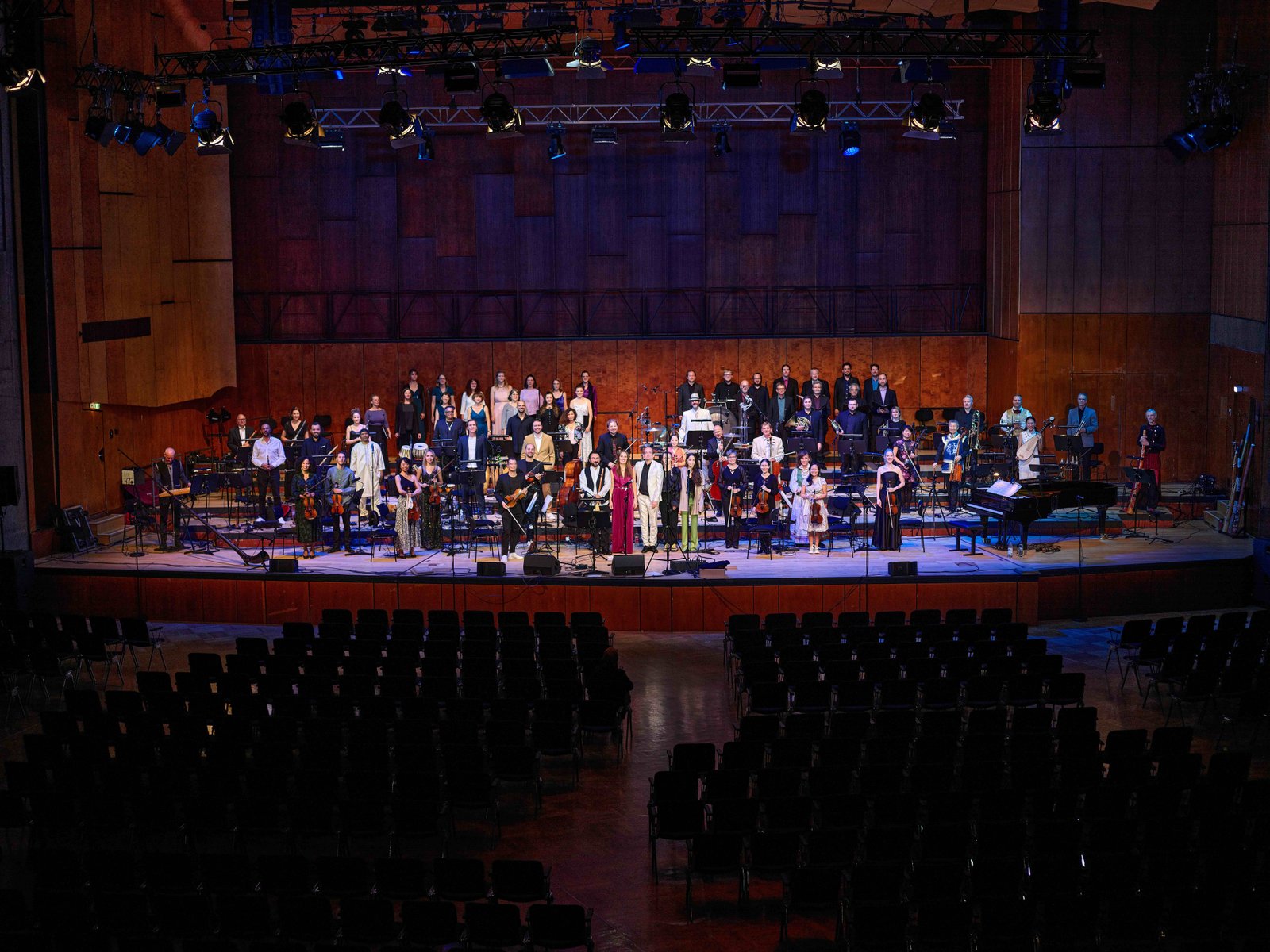
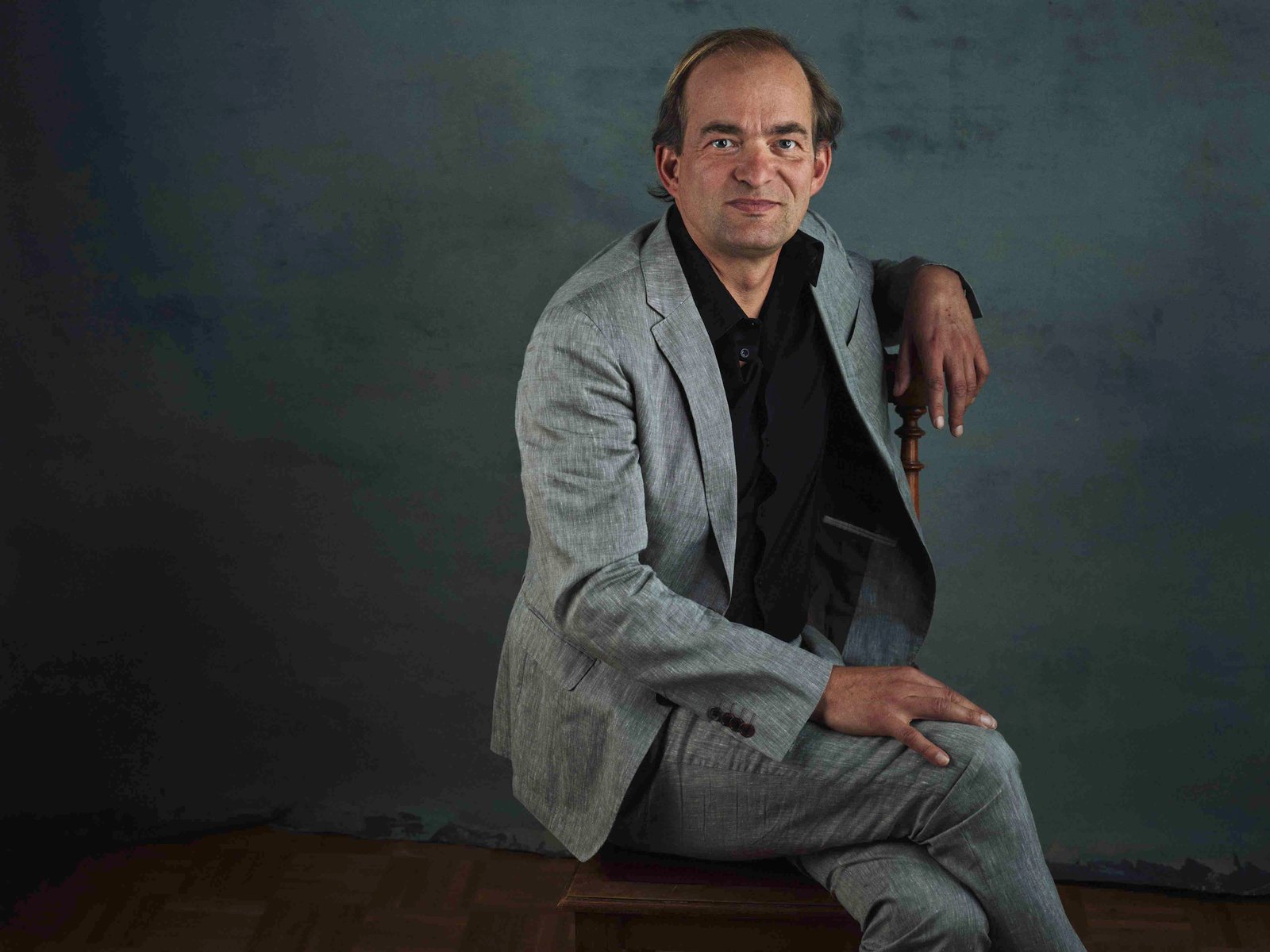
Founder and artistic director of the Orchestra of Cultures. After years in Vienna and as a musical supervisor, in 2010 he founded an orchestra at Stuttgart's Nordbahnhof that unites cultures through music.
Many Roots. One Sound.
Stuttgart's intercultural symphony orchestra
42 musicians from 16 nations and five continents – an ensemble that unites classical, pop and world music.
No language is as powerful as that of music. It embraces millions, as Friedrich Schiller so aptly put it. And how better to achieve this than with music that aims straight at the heart of every culture?
What began in 2010 in Stuttgart’s Rosenstein district today fills halls from the Liederhalle Stuttgart to the Festspielhaus Baden-Baden and the great concert halls of the DACH region.
History & Mission
The Orchester der Kulturen was founded in 2010 by conductor Adrian Werum at Stuttgart’s Nordbahnhof – with a clear mission: to unite musicians from different cultures under a shared artistic roof. What began as a vision is today the only professional cross-cultural orchestra in Stuttgart and the first of its kind worldwide.
42 musicians from over 16 nations and five continents bring their traditions to the stage: Persian santur, West African kora, Chinese erhu, Australian didgeridoo – all united by the power of the symphonic sound. The ensemble’s worldwide artists have together taken several albums to number one in the German classical charts.
Today the Orchester der Kulturen Stuttgart stands for more than music: for encounter, understanding and the living proof that cultural diversity finds a common language – in sound.
The people behind the sound
Dirigent
Founder and artistic director of the Orchestra of Cultures. After years in Vienna and as a musical supervisor, in 2010 he founded an orchestra at Stuttgart's Nordbahnhof that unites cultures through music.
Dirigent
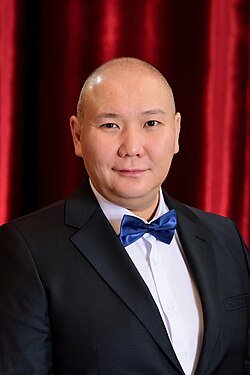
He is the artistic director and chief conductor of the Estrada Symphony Orchestra of the Kyrgyz Republic at the National Philharmonic in Bishkek. Born in 1980, the conductor and violinist, honoured as "Merited Cultural Worker of the Kyrgyz Republic", is known for his innovative programming. He masterfully combines classical symphony with modern estrada music, great film classics and international collaborations. With his energy on the podium, he makes orchestral music accessible to a broad, contemporary audience and is regarded as one of the driving forces of the modern music scene in Central Asia.
Sängerin & Percussion
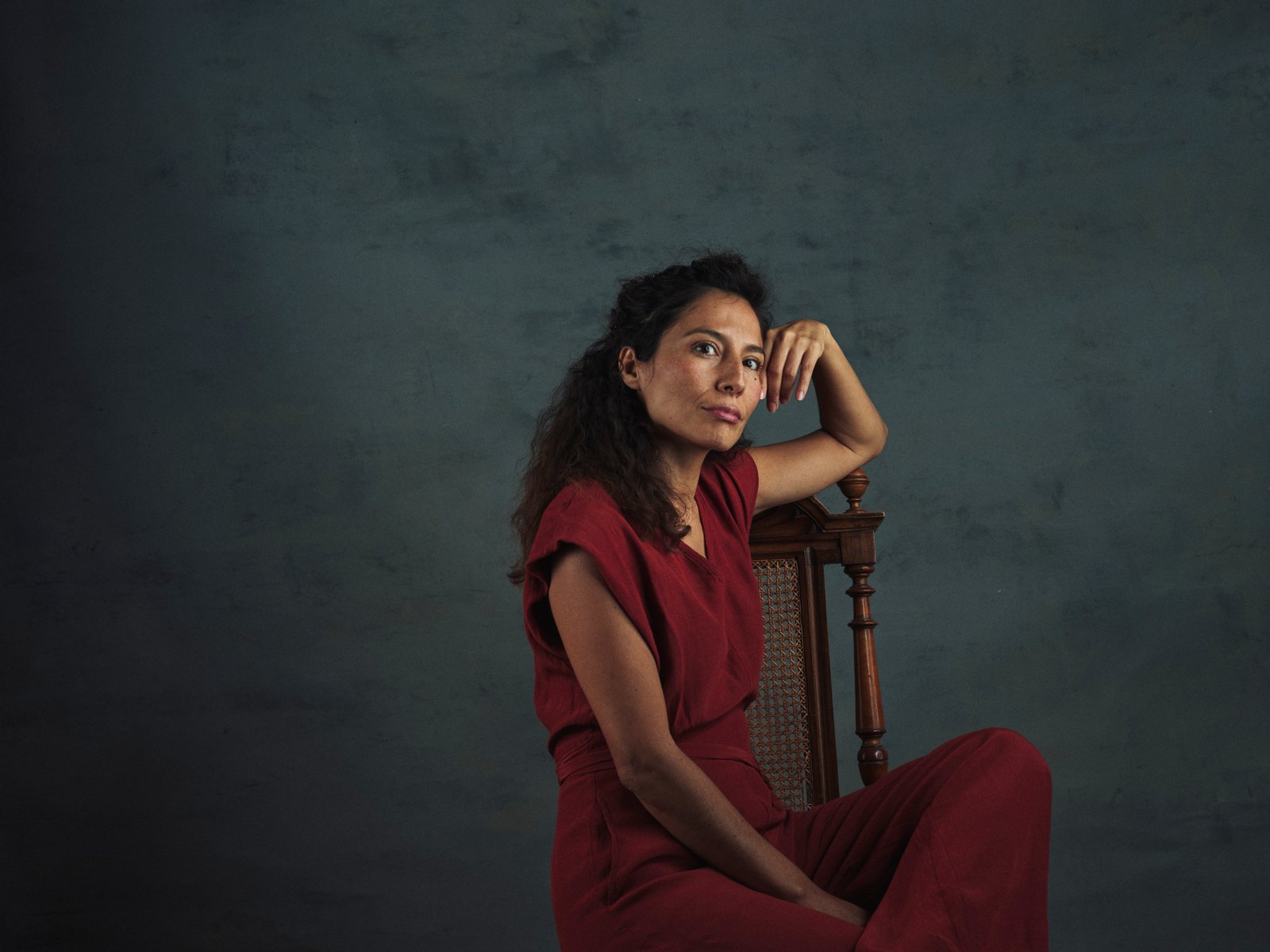
A trained singer and percussionist versed in classical music and cajón. She has worked with international artists such as Susana Baca and the Japanese band Boredoms, and is active as a singer, drummer and performer in various art projects.
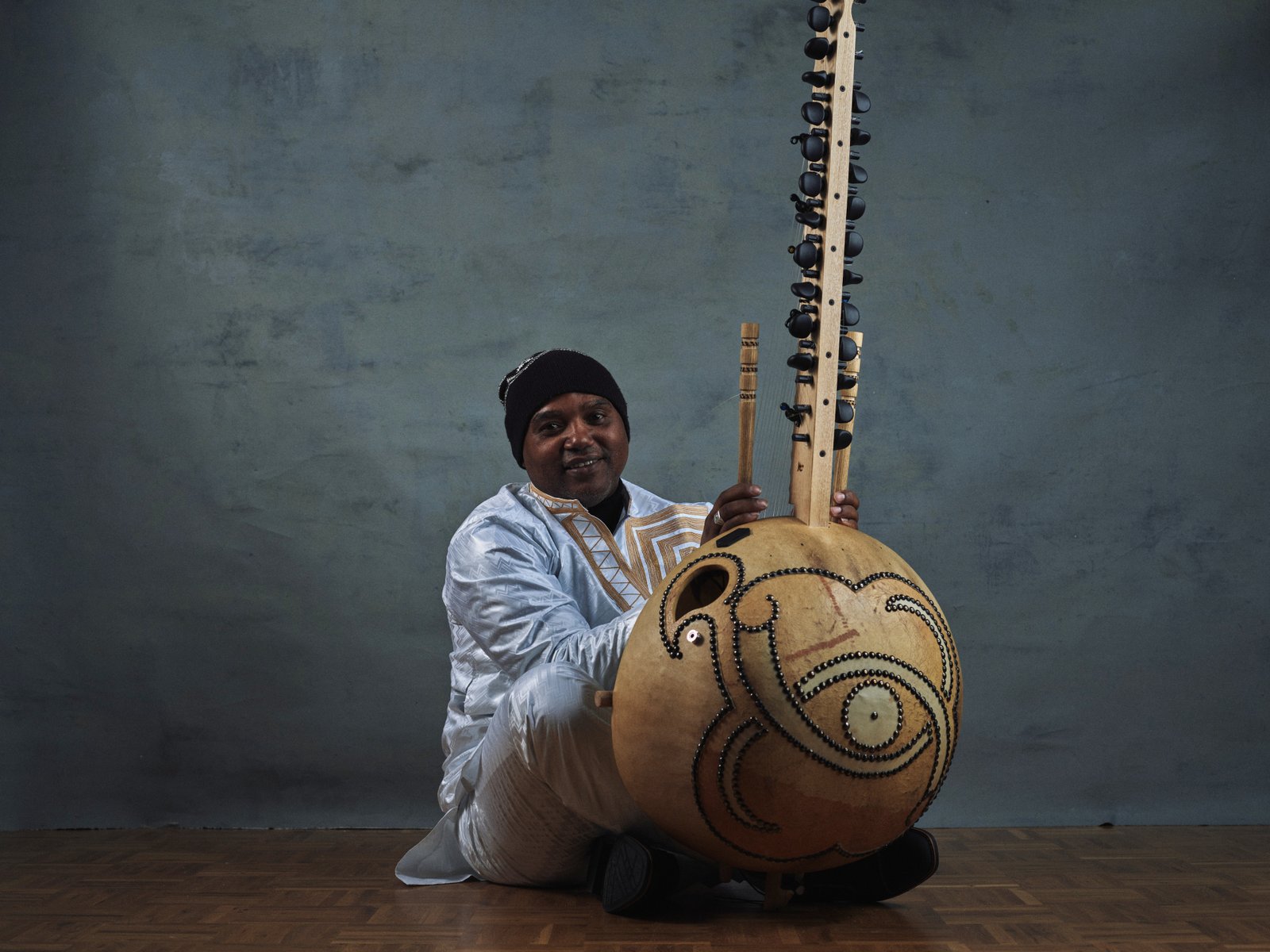
Sänger & Kora
Kandara has been with us from day one, delighting audiences not only with his kora playing but also with his singing. He comes from a renowned griot family of Senegal. His father Boubakar made a name for himself in West Africa and North America. In his memory, Kandara produced the CD "Memoirs a Boubakar" in 2018.
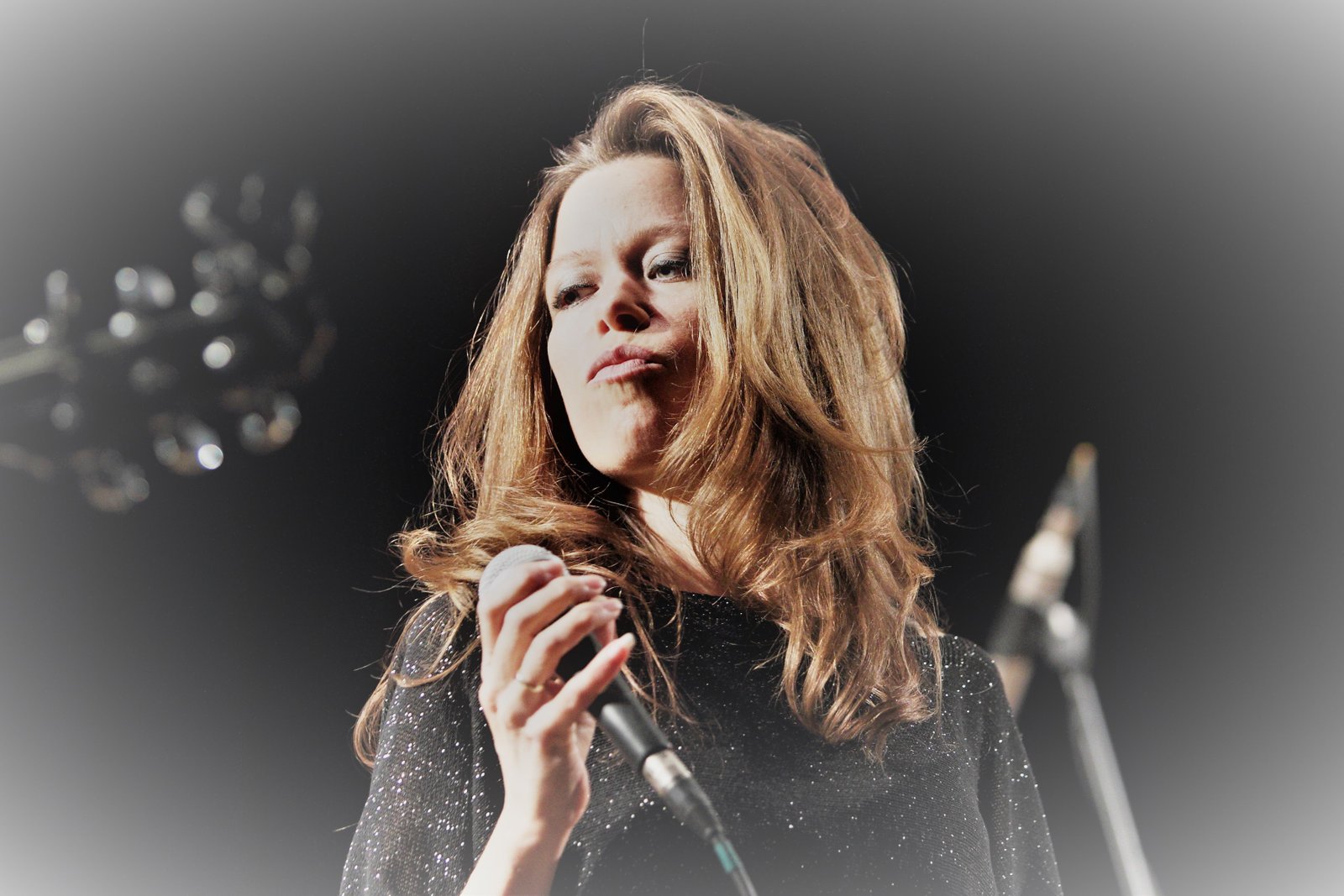
Sängerin
Since the great open-air concert for the 250th anniversary of the Gold City Pforzheim, Sonja Priehn has been a recurring guest of our orchestra.
Her expressiveness and stylistic range make every collaboration with her a pleasure.
Particularly noteworthy is her work with the renowned Lumberjack Big Band, where she shares the stage with stars such as Max Mutzke and Tom Gaebel.
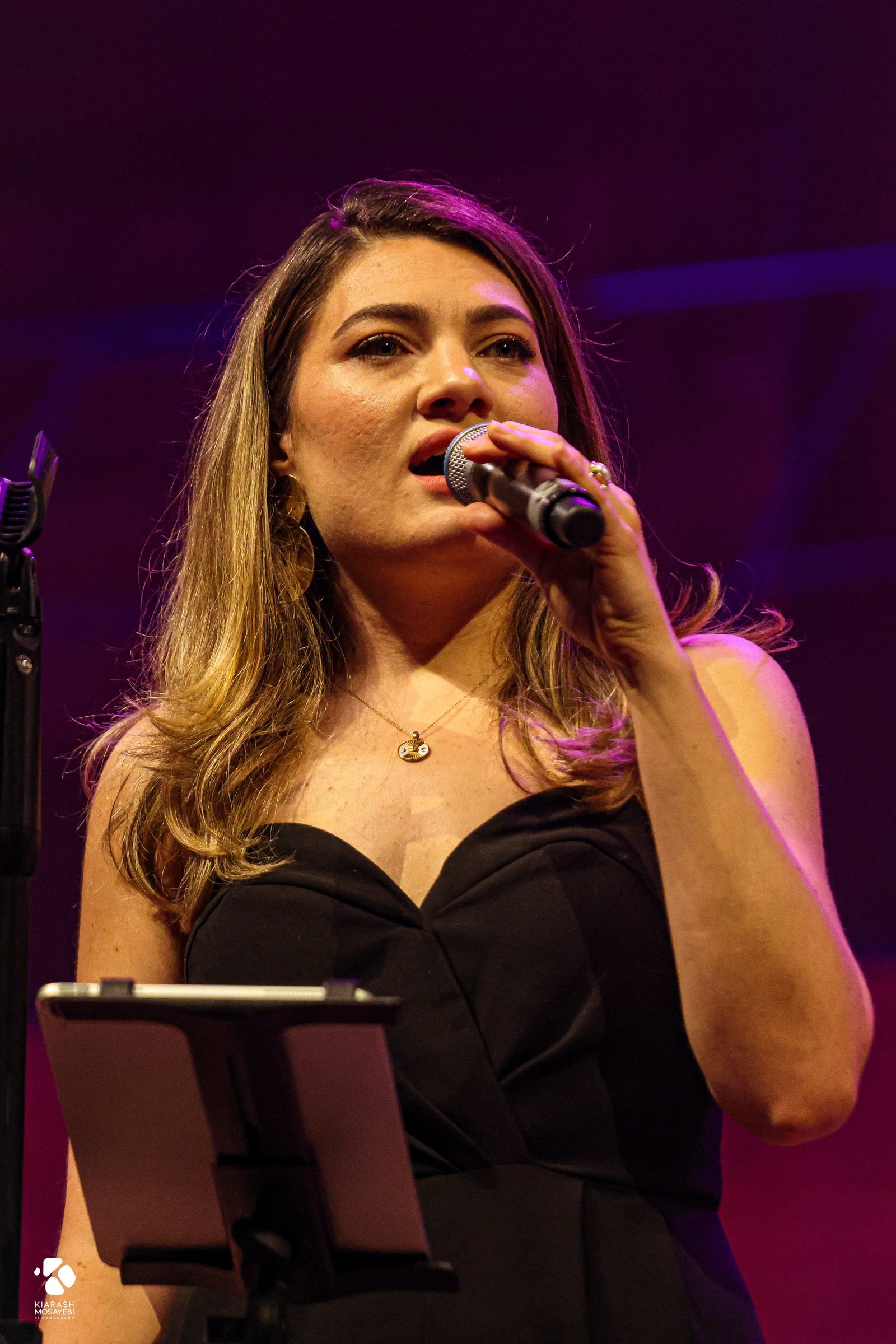
Gesang
In 2017, her performance at the "Jazzwerkstatt Graz" festival was recorded live by Austrian broadcaster ORF. The repertoire, assembled especially for this festival concert, consisted of traditional Turkish songs and pop songs, authentically arranged and interpreted as a crossover with jazz. Cemre was invited to an interview on the radio show "Jazz at its Best", and the live recording of the concert was broadcast together with her interview on Radio Steiermark. In 2019, she received the "Deutschlandstipendium" and was awarded first prize at the Jazz/Pop Song competition of the Lions Club Stuttgart.
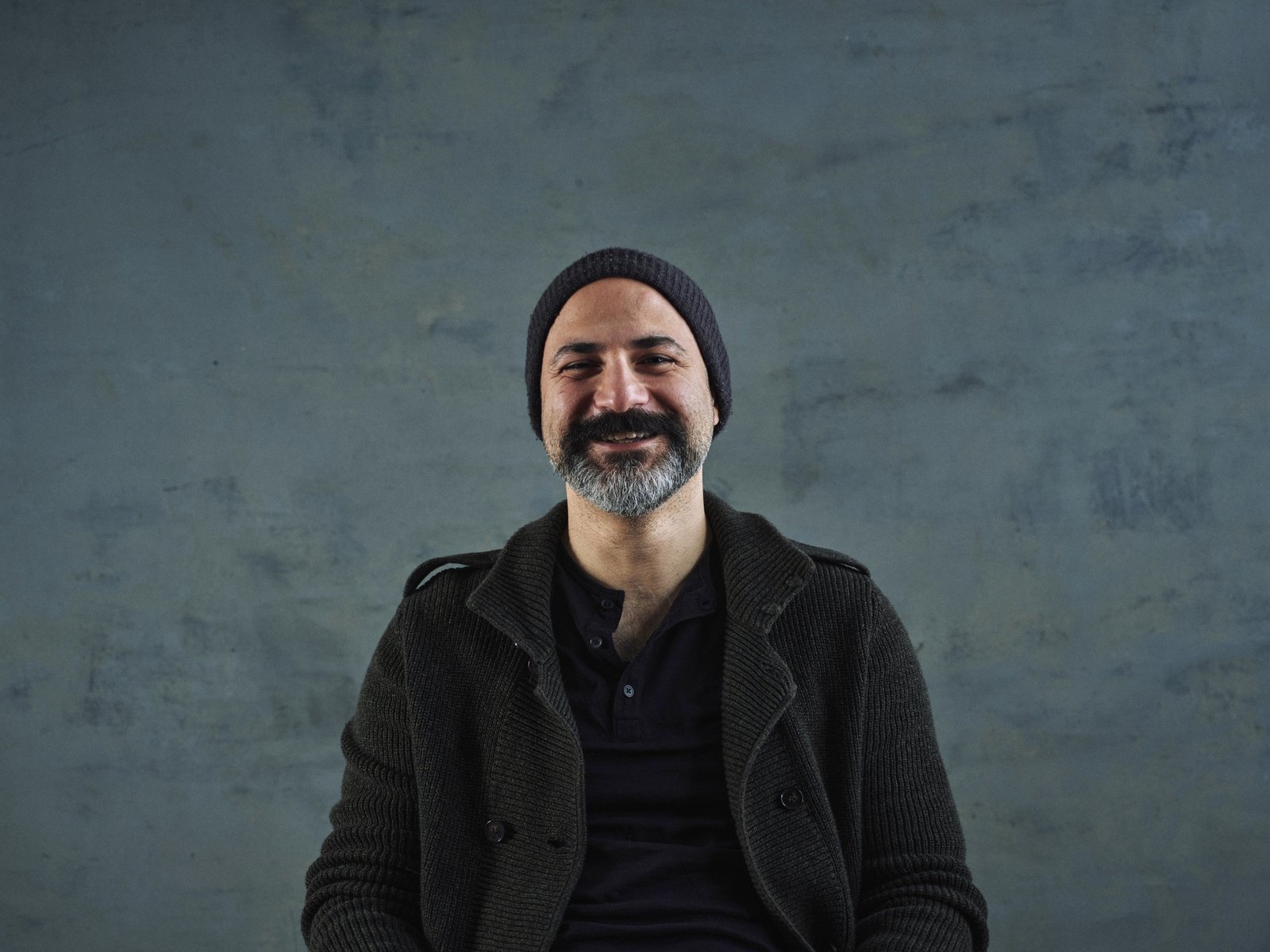
Sänger
He unites oriental, Anatolian and Western sounds in his music. He learned to play the baglama (long-necked lute) at a very young age and soon realised that his mission would be to bring this instrument into contact with other cultures. He has played with many bands in widely differing musical genres, both as a singer and as an instrumentalist. He has been with the Orchestra of Cultures since 2012 as an instrumentalist and singer.
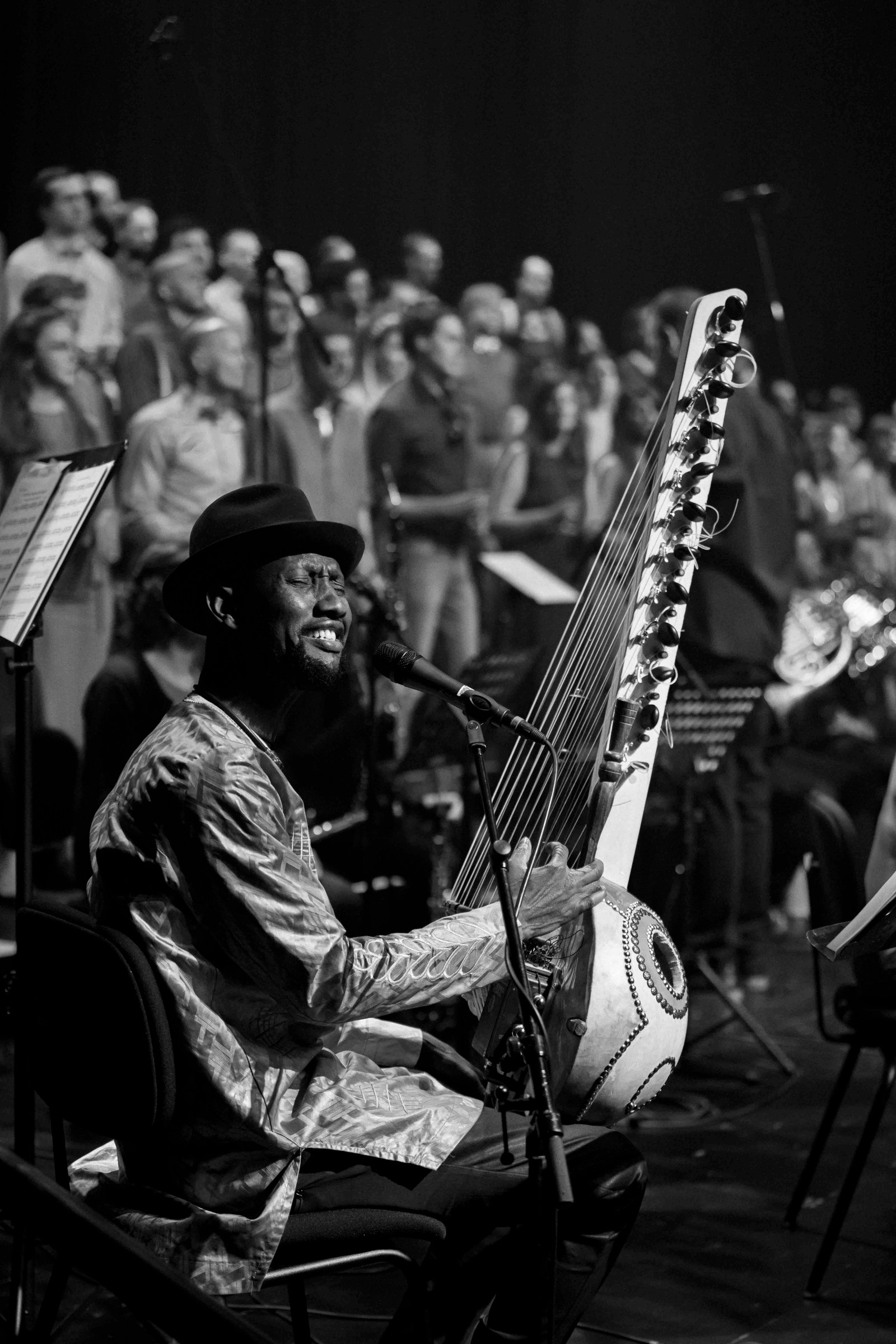
Gesang & Kora
As a representative of the West African griot tradition, Moussa brings a rich narrative art in several languages to his music. This tradition, dedicated to preserving the history of a society without a written language, inspires the song structures while embracing the freedom and poetry passed down from generation to generation.
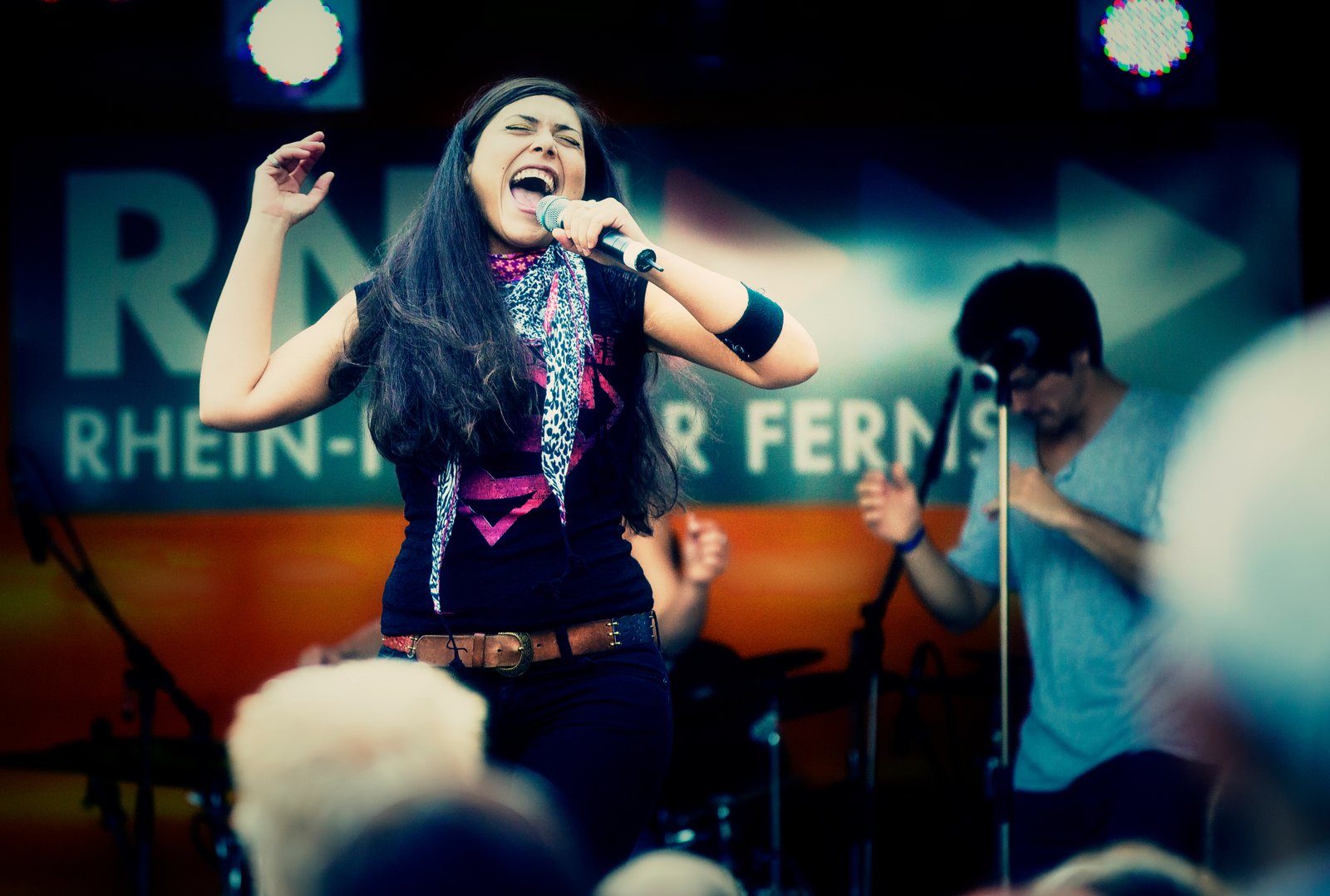 © Alexander Scheuber
Sängerin
Fatma Tazegül ist eine Vollblut Funk&Soul, RnB und Jazzsängerin, die auch mit vielen weiteren Genres problemlos umgeht. Mit ihrer liebevoll authentischen und humorvollen Art und Weise begeistert sie ihr Publikum und erstaunt sie gleichzeitig mit ihrer kraftvollen Stimme, die auch ganz zauberhaft zerbrechlich und zart sein kann.
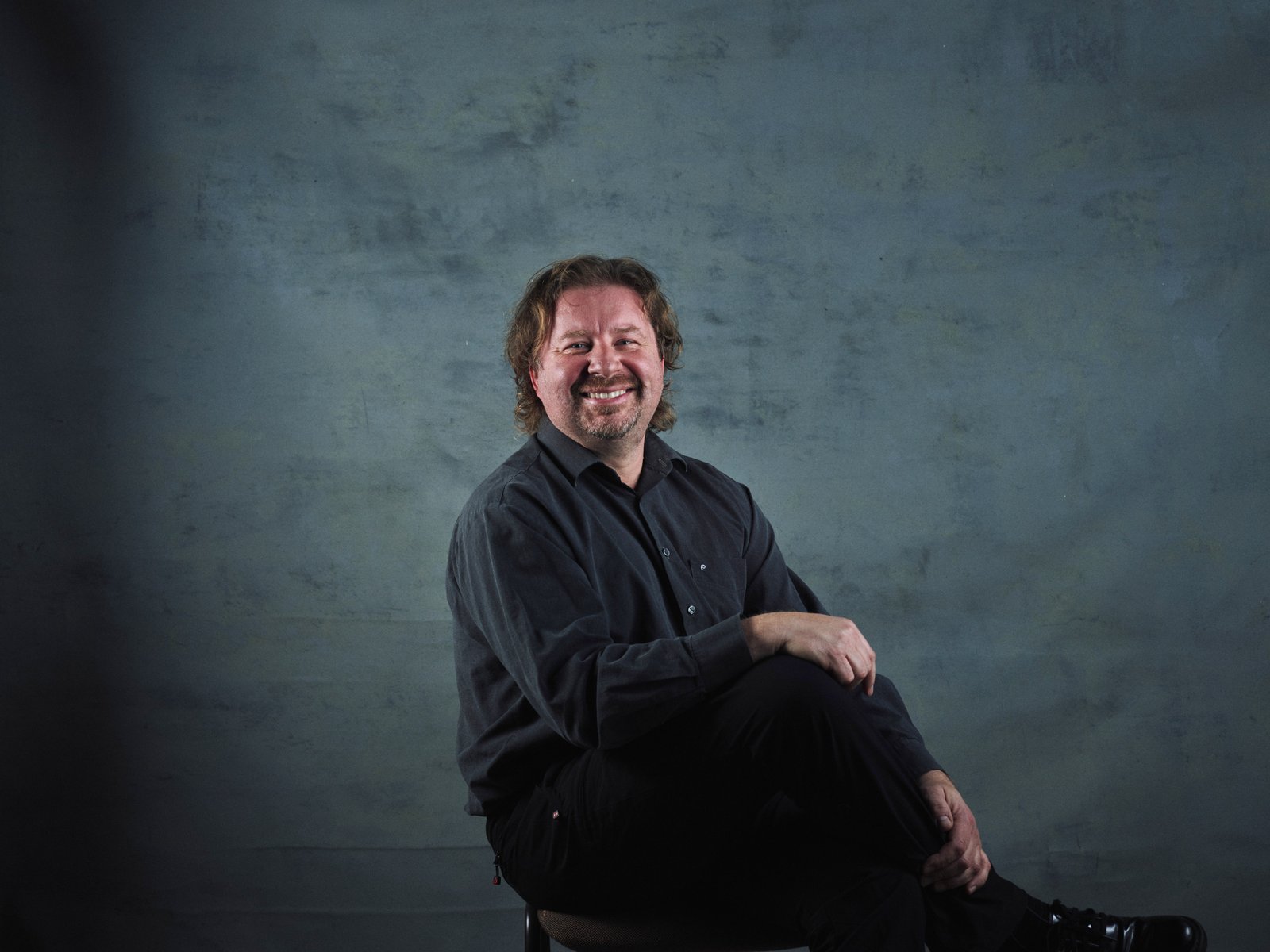
Bratsche
Orchestra member at the Apollo and Palladium Theatre in the SI-Zentrum Stuttgart from 1996 to 2004. He took part in productions such as "Miss Saigon", "The Phantom of the Opera", "Elisabeth", "Rebecca" and "The Hunchback of Notre Dame". Violist at the Staatstheater Mainz from 2004 to 2006 and violist with the Stuttgarter Philharmoniker since 2007.
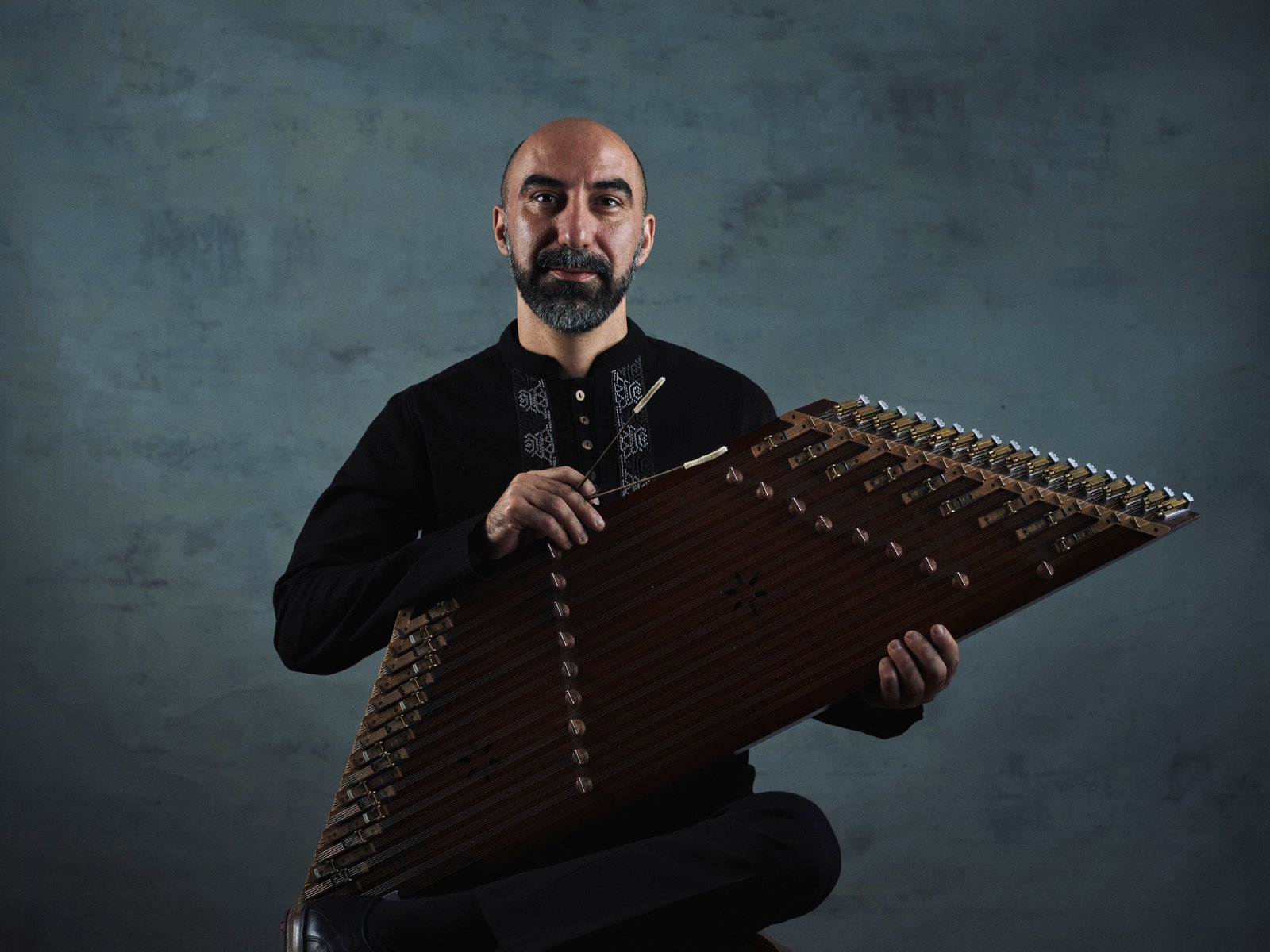
Santur
Born and raised in Iran, he learned the instrument "Santur" from the great master Faramarz Payevar. He earned his bachelor's degree in instrumental music at the Tehran University of Art and completed his master's in world music at the University of Hildesheim.
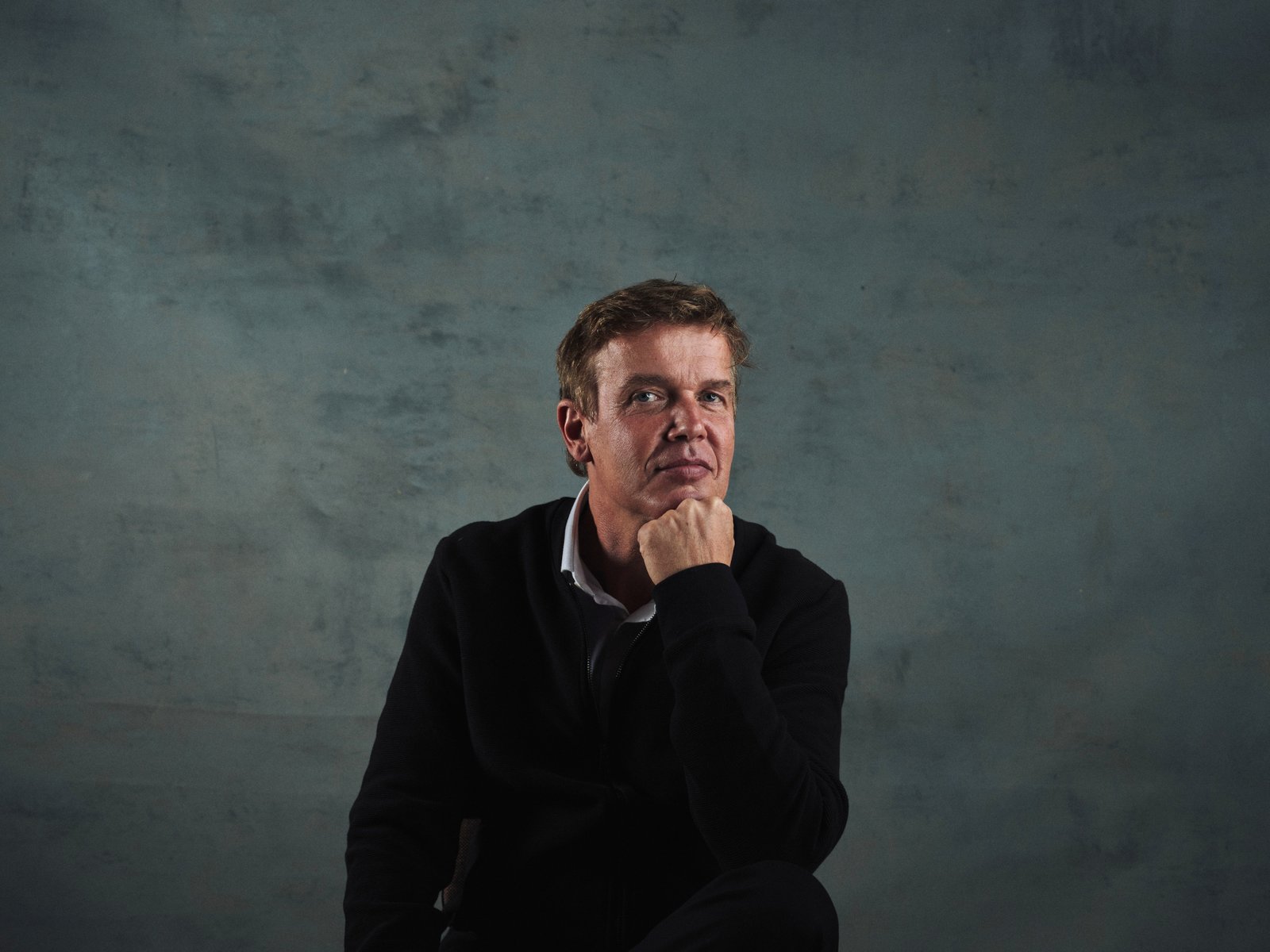
Violoncello
Born in Bruchsal, he studied orchestral music first at the Leopold Mozart Conservatory in Augsburg. He has worked with numerous professional orchestras; to this day he is a regular substitute in the cello section of the Stuttgarter Philharmoniker. He is currently a cellist in the musical "Aladdin".
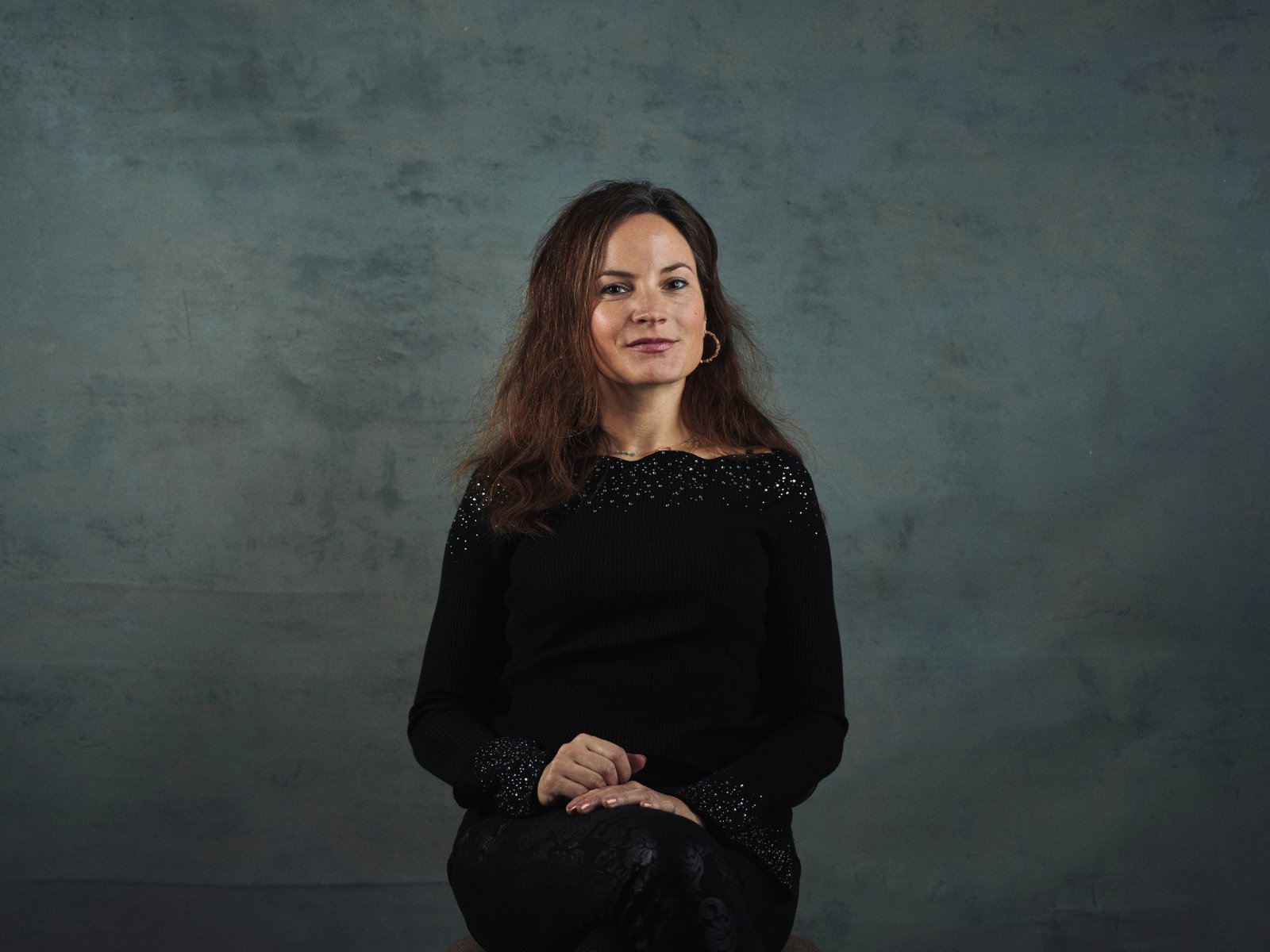
Oboe
Timea Megyesi is from Hungary and completed her musical training in Germany and across Europe. She is an experienced orchestral musician who brings her varied repertoire to the ensemble.
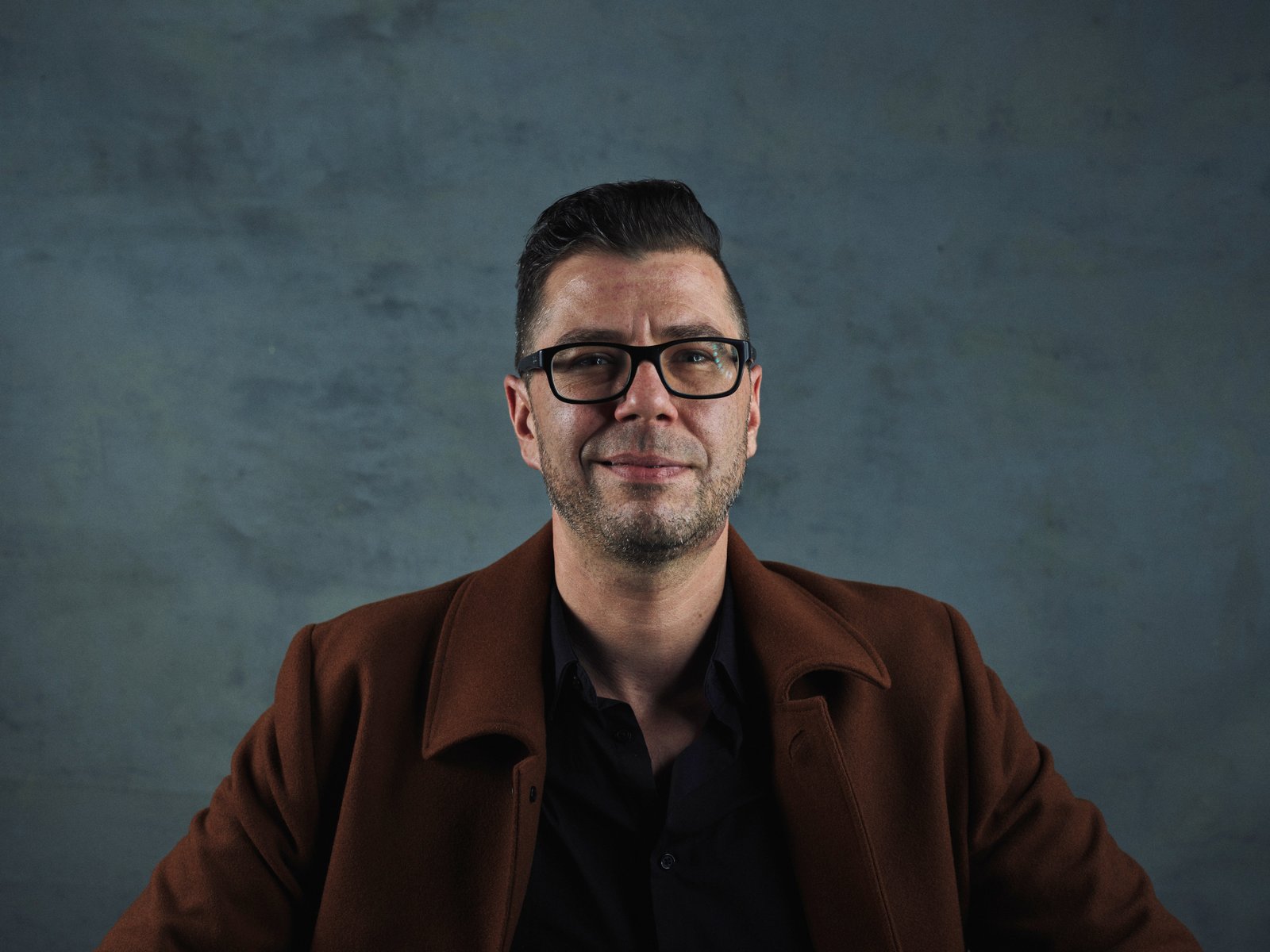
Violine
For me, it is the collaboration with wonderfully exceptional characters from all over the world and every imaginable musical genre that creates a blend of musical and personal closeness that one cannot resist as a person and a musician. From this symbiosis arises a lightness in the orchestra's musical performance that is hard to explain and grasp – but it is an essential reflection of an intercultural community!
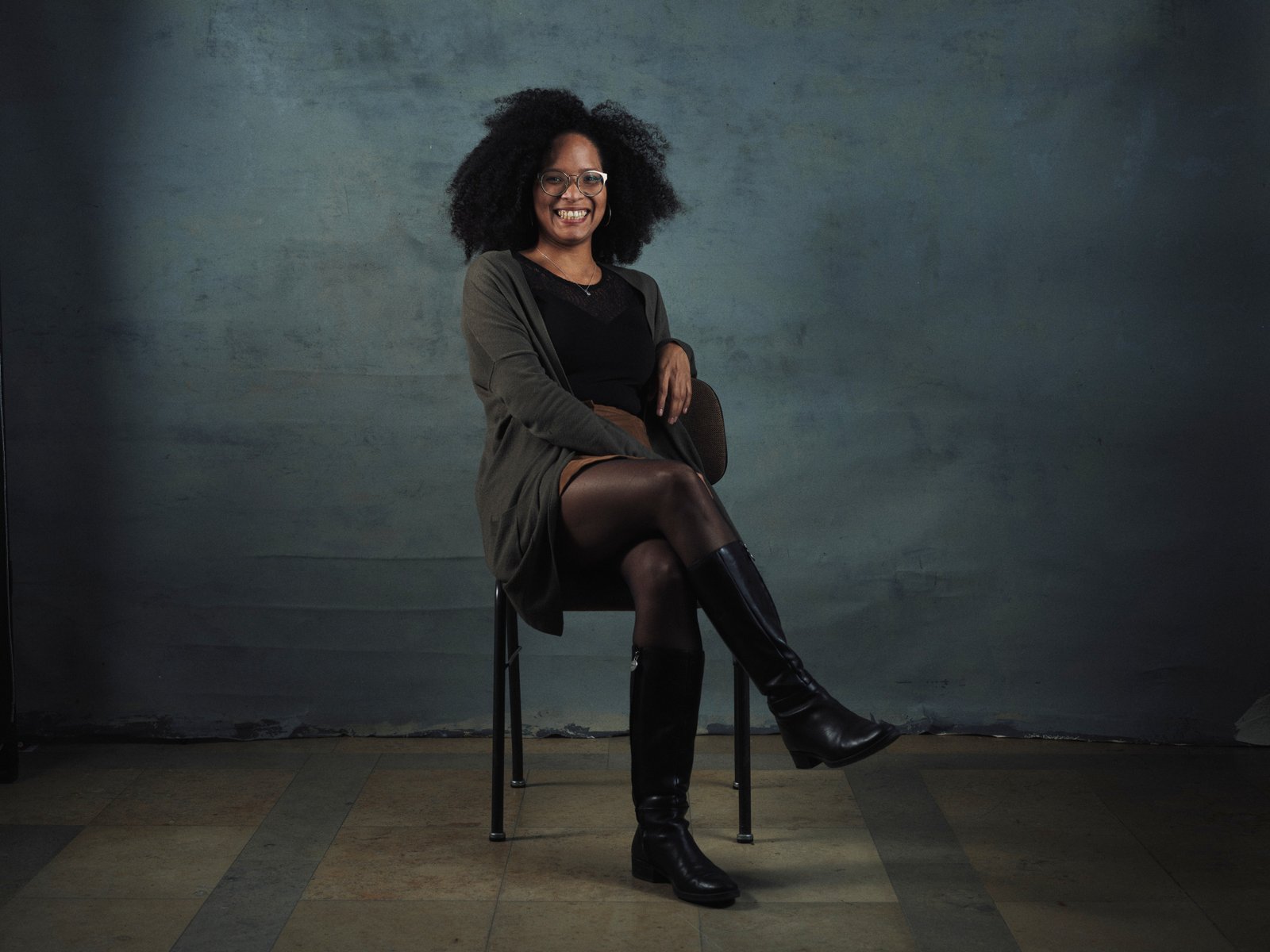
Violine
Aufgrund der besonderen Förderung durch „El Sistema" spielte die Geigerin im Simón Bolívar Orchester und im Teresa Carreño Orchester als 2. Geige-Stimmführerin für 9 Jahren unter Dirigenten wie Claudio Abbado, Sir Simon Rattle, Giuseppe Sinopoli und Gustavo Dudamel. Tourneen mit den beiden Orchestern führten sie nach Amerika, Europa und Asien.
Fabiola studierte an der staatlichen Hochschule für Musik und darstellende Kunst in Stuttgart bei Prof. Christine Busch und hat eine feste Stelle bei der württembergischen Philharmonie Reutlingen.
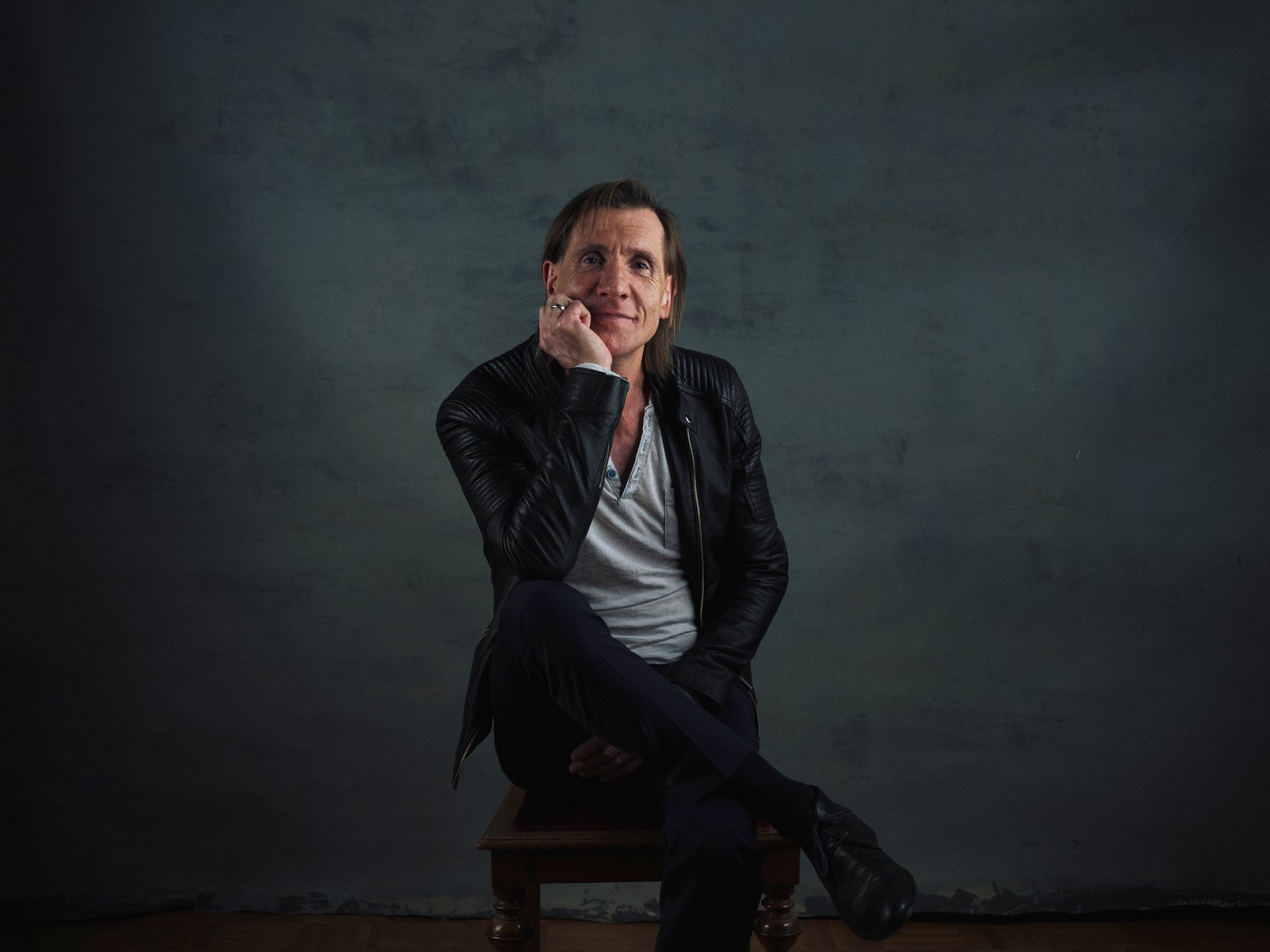
Gitarre
Uwe Metzler is a versatile guitarist who has worked with artists such as Lou Bega, Randy Crawford, Duran Duran, Sarah Brightman, Ray Wilson/Stiltskin and Peter Schilling.
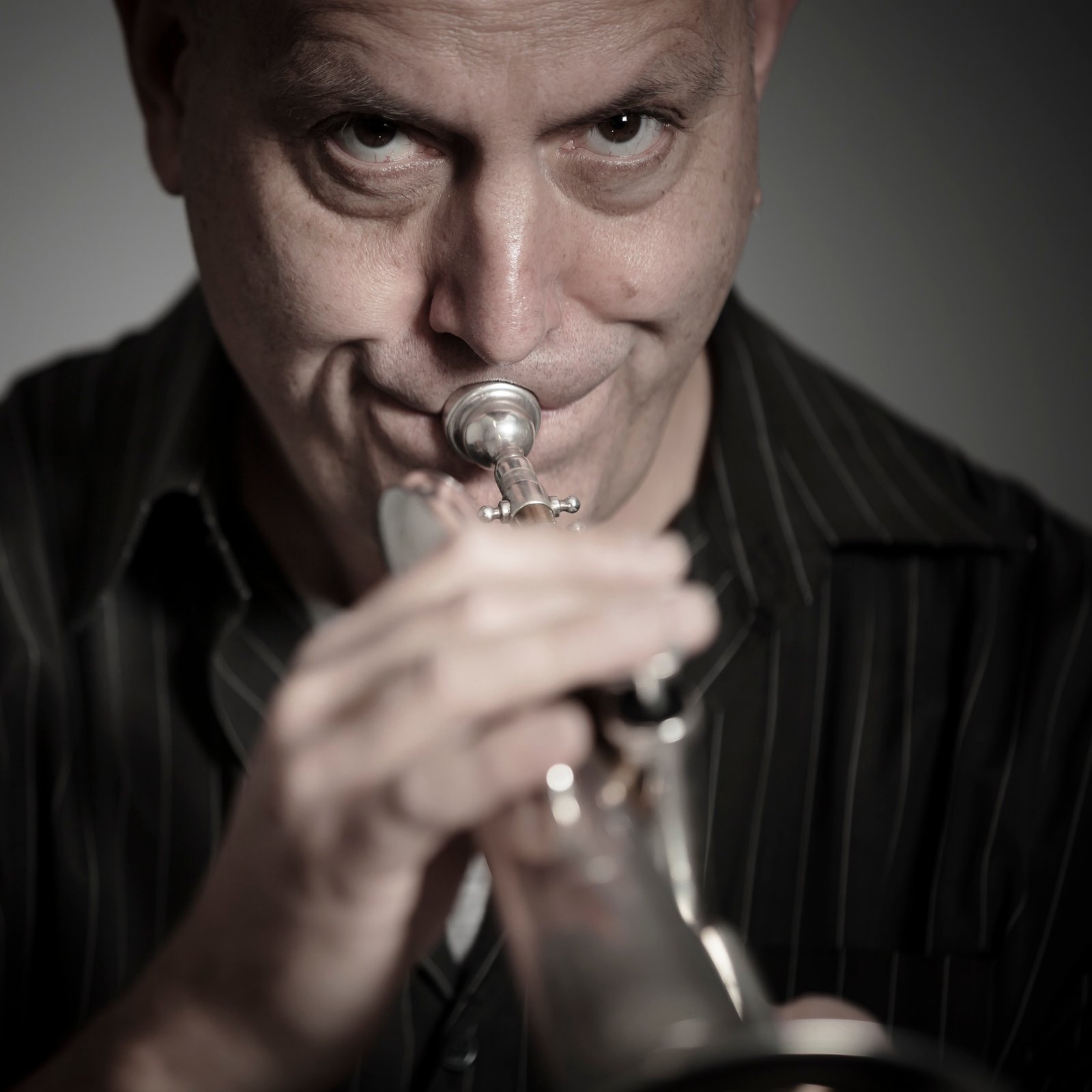
Trompete
Jazz trumpeter with over 50 productions. Gerhardt Mornhinweg brings the warmth and vitality of jazz to the ensemble, enriching it with his long-standing stage experience.
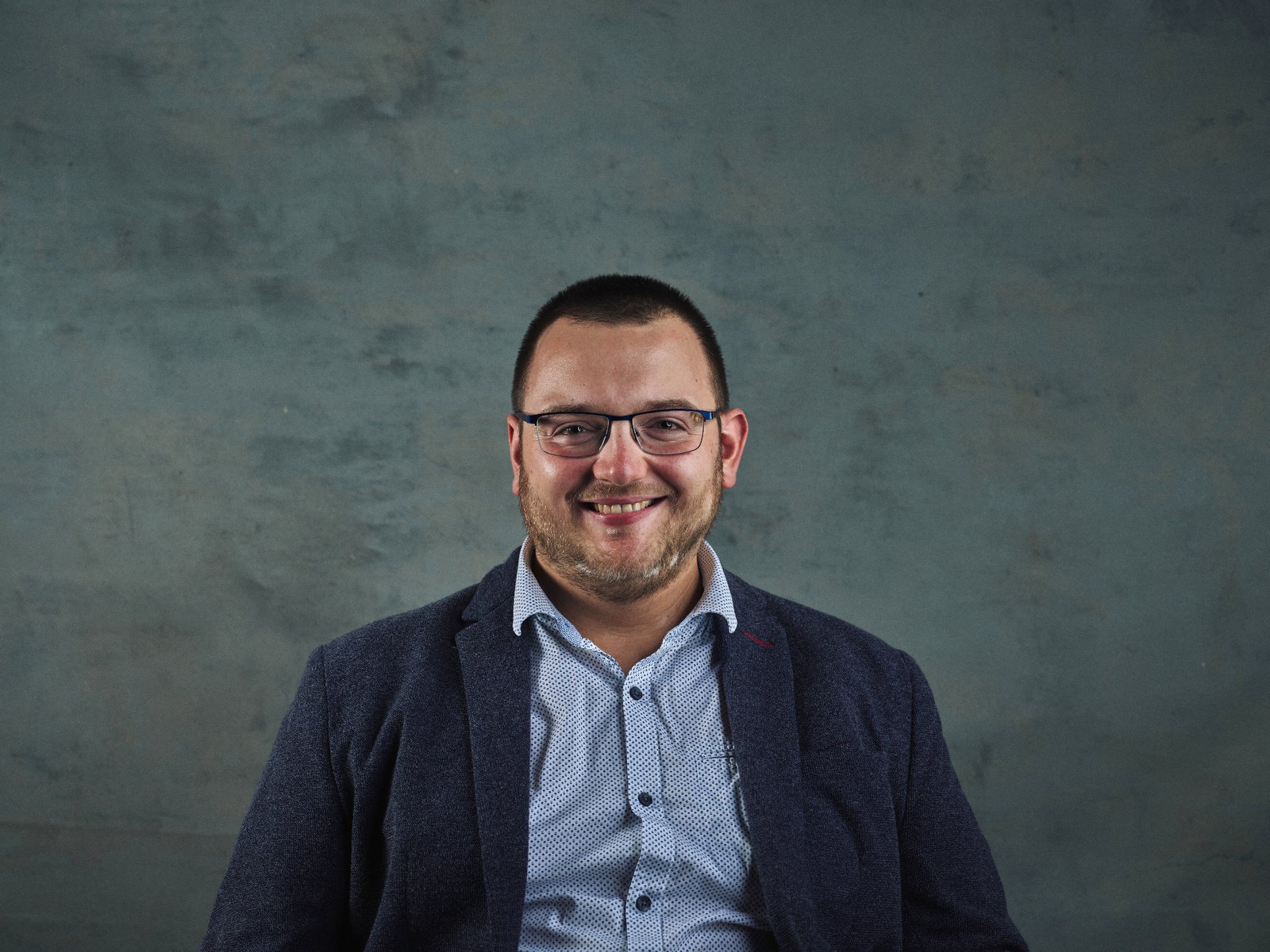
Horn
Horn with the Stuttgarter Philharmoniker. Piotre Nowara is an experienced orchestral musician who enriches the ensemble with his warm horn sound.
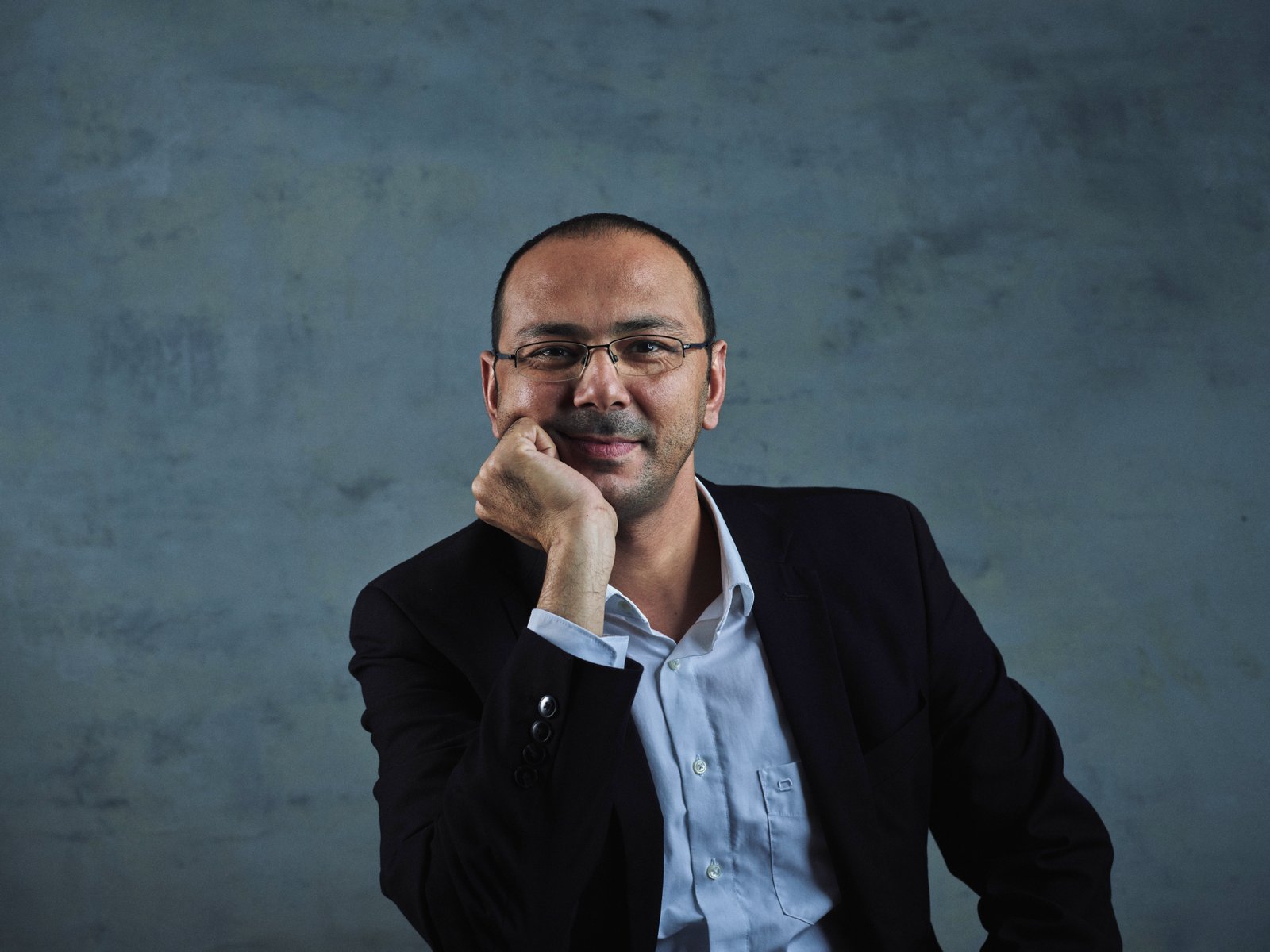
Duduk
Taylan Acar comes from a Kurdish-Alevi family and has taken part in over 100 productions as a duduk player. He was a soloist in Karl Jenkins' Stabat Mater.
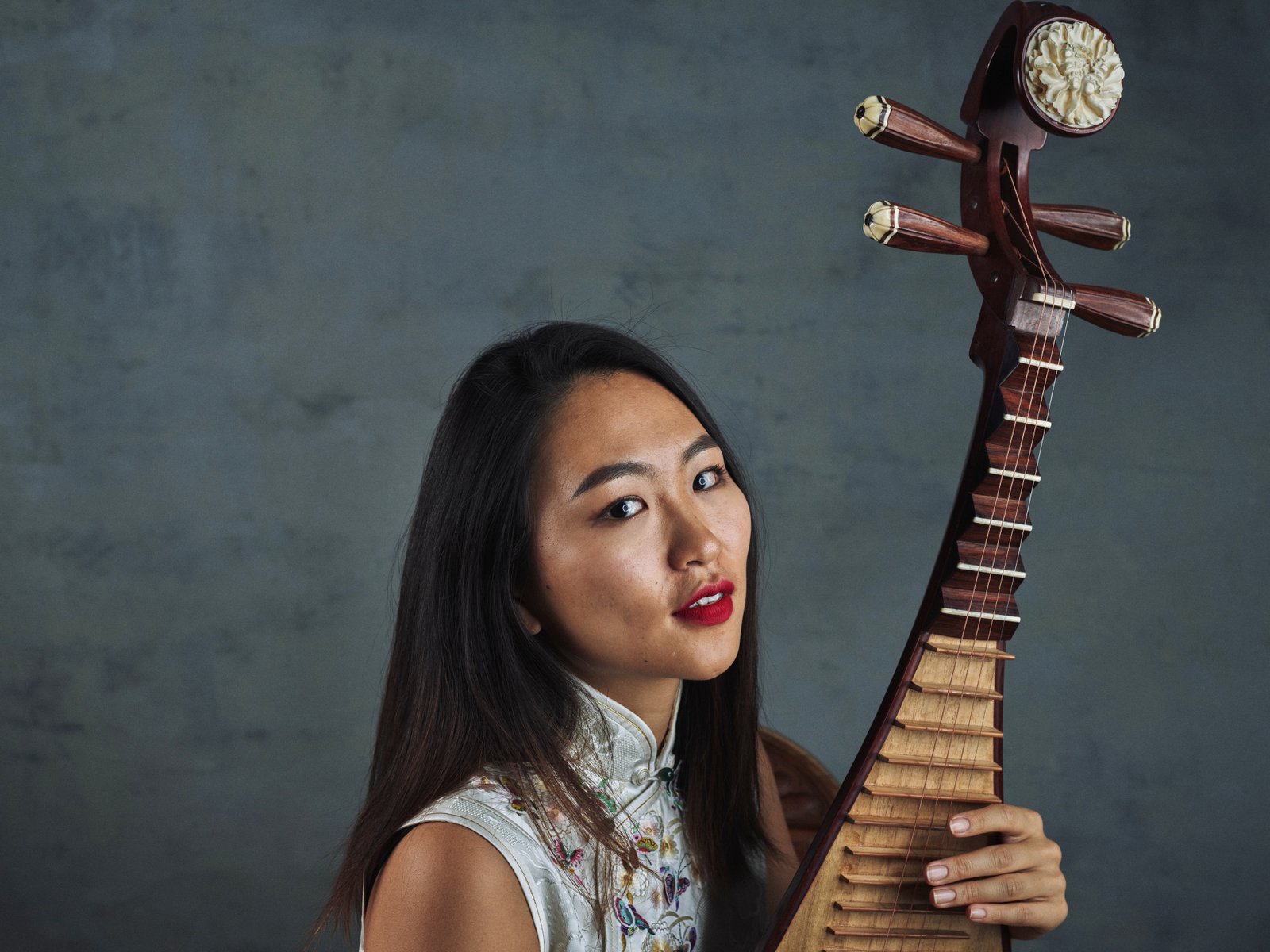
Pipa
Lucy Zhao is an outstanding pipa player who combines classical Chinese musical traditions with modern interpretation, enriching the ensemble with her unique sound.
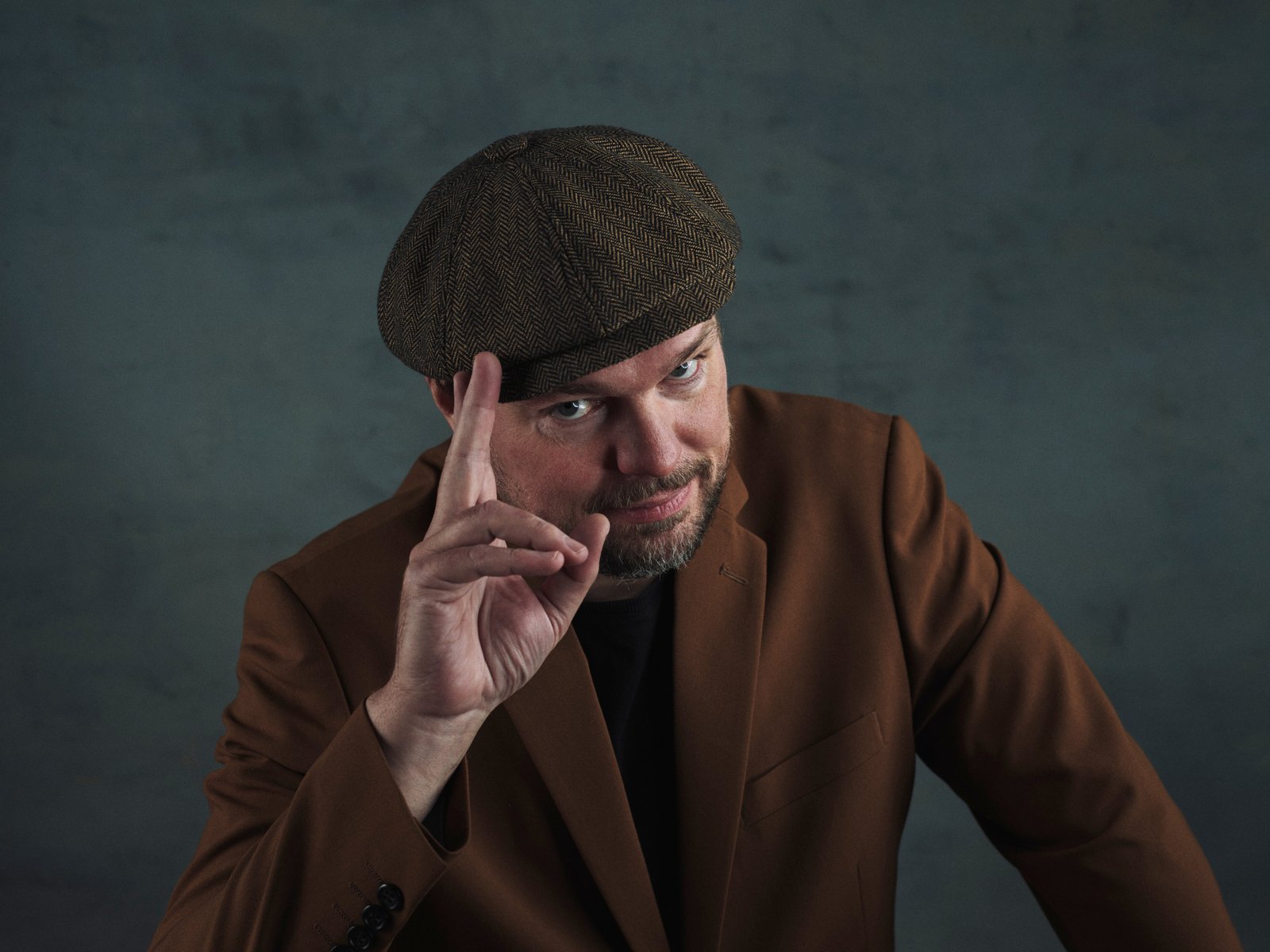
Cello
Chris Weigold brings years of experience as a cellist to the ensemble. His warm, powerful tone is an important part of the orchestra's characteristic sound.
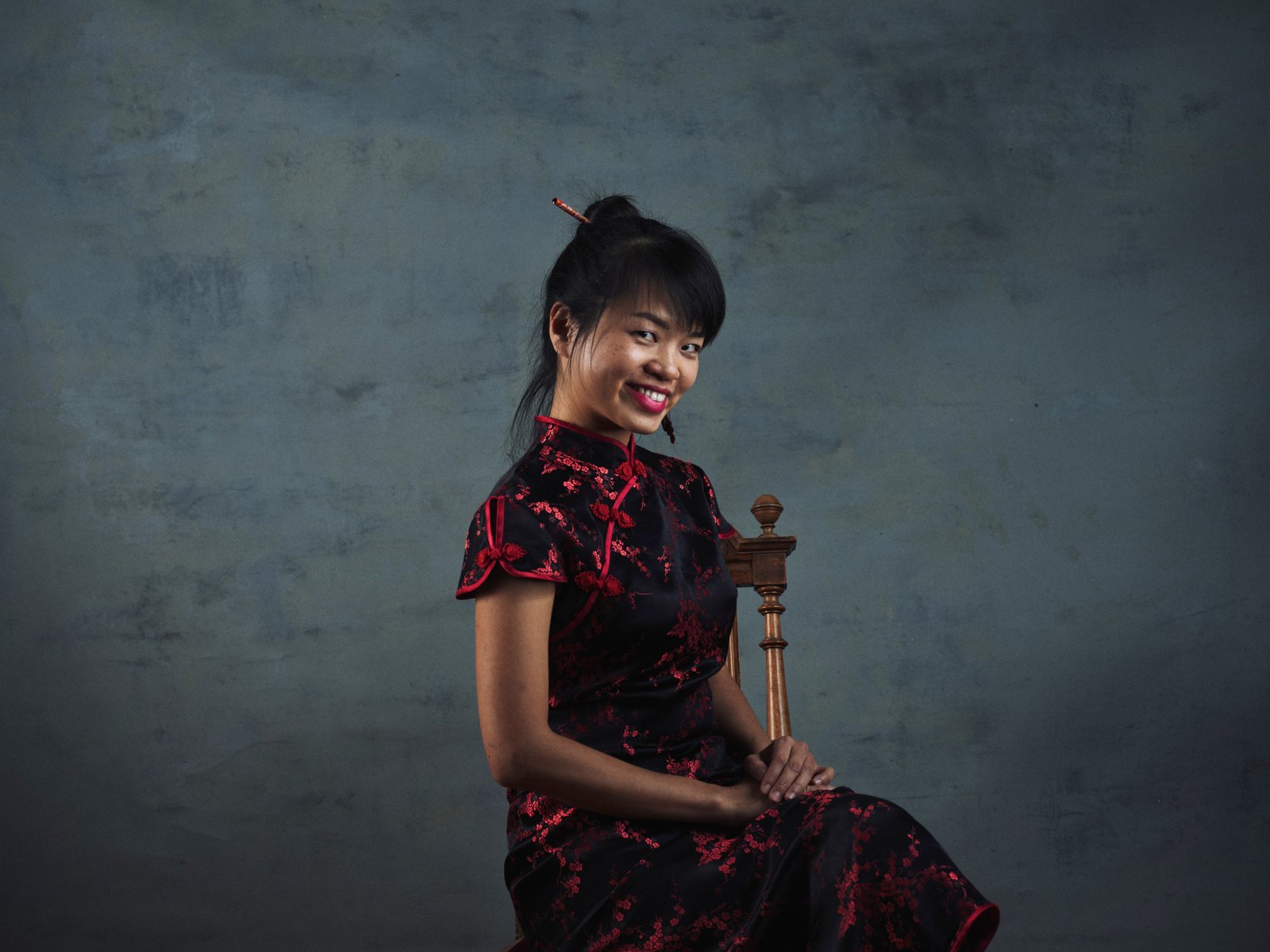
Erhu
Geboren in Taiwan, lebt Frau Chang seit 2013 als freischaffende Musikerin und Erhu-Lehrerin in Wien. Sie spielt nicht nur traditionelle Musik sondern versucht auch eine kulturelle Brücke zu bauen, indem sie die östlichen und westlichen Kulturen musikalisch miteinander kombiniert
Im Jahr 2008 bekam sie den Abschluss des Master-Studiums an der „Tainan National University of the Arts" mit einer Masterarbeit über das indigene Volk der „Tsou".
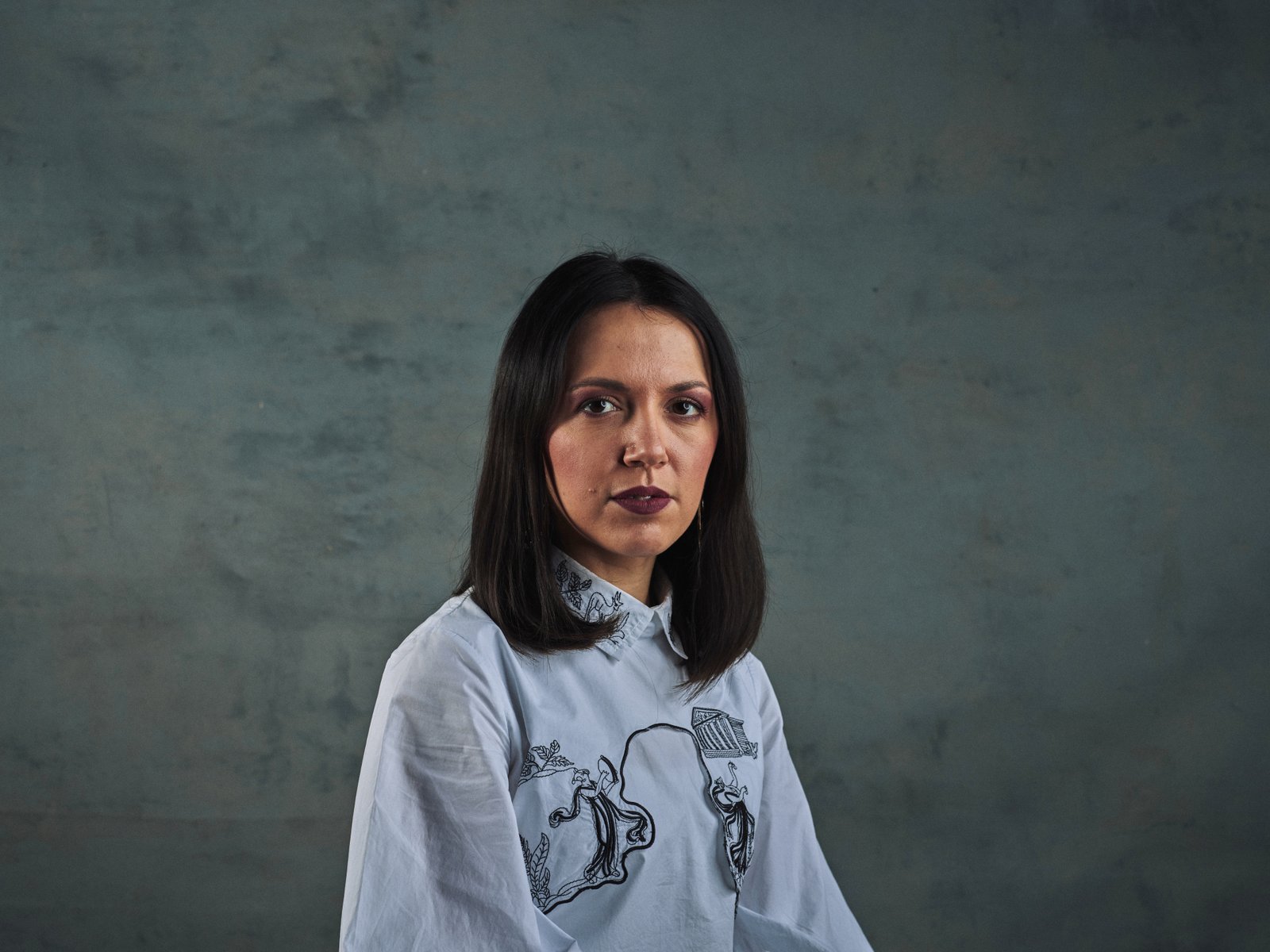
Violine
Kamilla Bush, geboren in Ashgabat (Turkmenistan), ist eine versierte (E-) Violin-Virtuosin, die sowohl im klassischen als auch genreübergreifenden Bereich von Pop- und Rock Musik zu hören ist.
Ihr klassisches Studium in München bei Prof. Ingolf Turban und Prof. Dr. phil. Adina Mornell nutzte sie zur Perfektionierung ihrer technischen und musikalischen Fähigkeiten. Weitere prägende Impulse erhielt sie auf Meisterkursen u.a. bei Prof. Jacob Gilman und Prof. Zakhar Bron. Sie war Mitglied der Andechser – ORFF-Akademie des Münchner Rundfunkorchesters und stand mit nationalen Größen wie Fink & Steinbach , sowie internationalen Stars wie Helene Fischer, David Garrett, Andreas Bourani, Jasmine Thompson, Michael Boublé und KYGO auf den ganz großen Bühnen.
Oriental Percussion
Can Batman gehört schon seit Tag 1 zum Orchester der Kulturen.
Vom klassischen Schlagzeugunterricht im Drum Department Stuttgart bis hin zu diversen Bands und Percussionensembles ist er im Orchester für die Oriental Percussion zuständig.
Aktuell ist er neben dem OdK als DJ und Produzent schon über die Grenzen der BRD aktiv und arbeitet nicht nur an seinen eigenen Musikproduktionen sondern auch schon mit nationalen und internationalen Künstlern.
Latin Percussion
Dalma stammt aus dem sehr afrikanisch geprägten Nordosten Brasiliens. Zuerst begann er sein Karriere als Tänzer in Ballett und afrikanischen Stilen.
Doch der Tanz allein genügte Ihm nicht:
In Salvador / Bahia startete er seine Karriere als Percussionist. In der " Oficina de Investigação Musical" lernte Dalmá Lima eine Musikwelt kennen, in der er sehr schnell einer der erfolgreichsten Musiker wurde.
Dann schlug die Liebe zu:
Mit Ihr kam er nach Deutschland und spielte bei Joy Denalane, Marla Glen, Joe Whitney und den Weather Girls, Phill Colliins, Marshall & Alexander, bevor er schließlich beim „Orchester der Kulturen" die Heimat fand, in der er alle seine Talente zeigen kann.
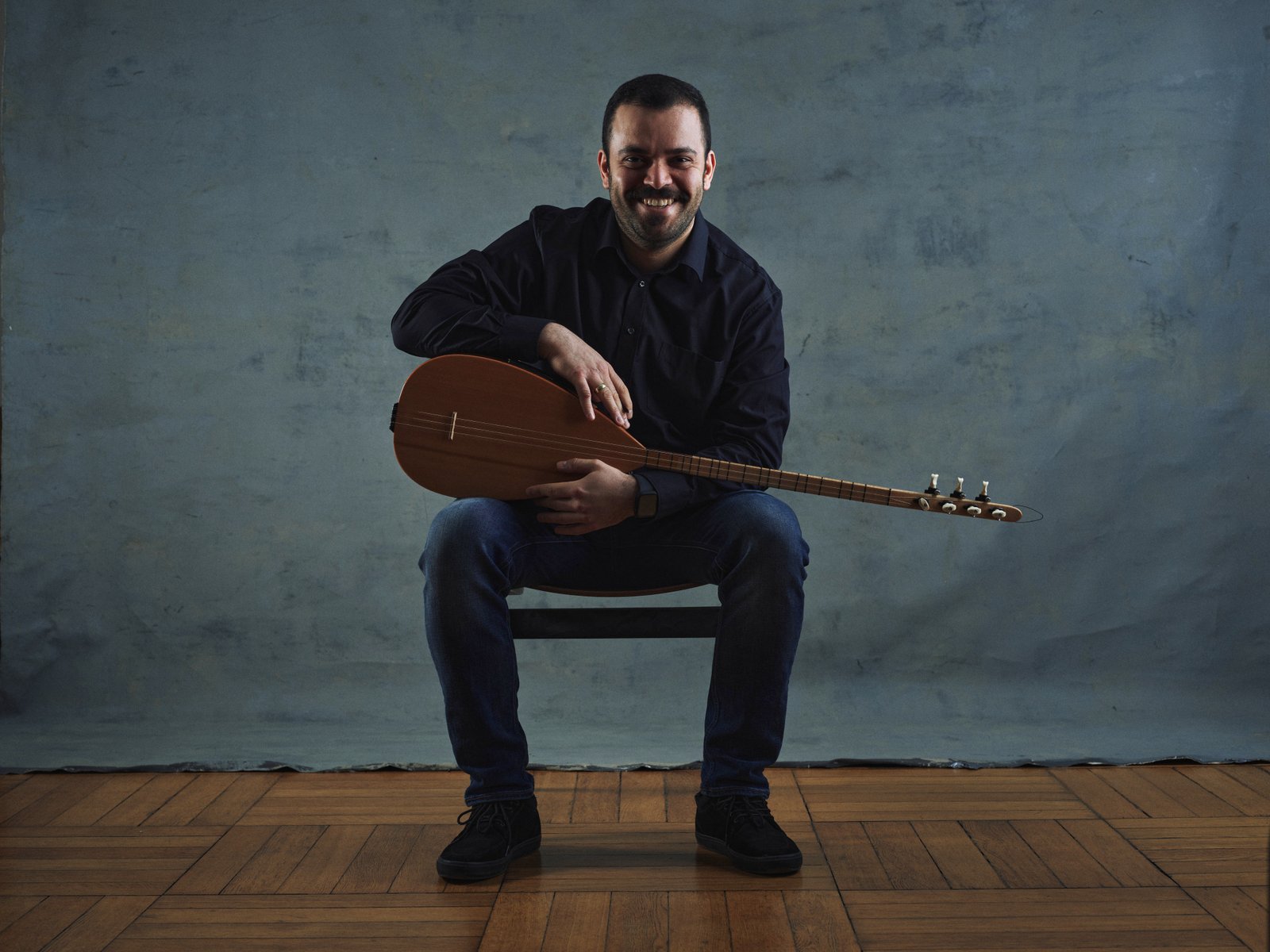
Baglama
Der in Stuttgart geborene Musiker hat sich über die Jahre mit den verschiedensten Spieltechniken des Baglama's vertraut gemacht wie z.B. Selpe Technik (Tapping) das Spielen ohne Plektrum. Bei Talip Özkan vertiefte er seine Kenntnisse der traditionellen türkischen Volksmusik. Er selbst hatte eine Zeit lang in Stuttgart an der Musikschule seines Lehrers Kadir Kaya unterrichtet. Can Demirel beschäftigt sich nicht nur mit der Baglama, sondern auch mit der Davul, der zweifelligen türkischen Großen Trommel und der einfelligen Handtrommel Bendir, er besitzt ein eigenes Home-Studio wo Professionelle Musik aufgenommen wird.
Reeds
Der Multiinstrumentalist aus Stuttgart, Jahrgang 1962, mit Hochschulausbildung im Bereich Jazz sowie in klassischer Musik arbeitet in verschiedenen musikalischen Formationen, wie dem Cross-Over-Projekt „Trieau" mit dem Percussionisten Michael Kiedaisch und dem Posaunisten Mike Svoboda, in diversen Musicalorchestern und als Musikpädagoge.
Tourneen mit der Band „Andreas Vollenweider & Friends" führten durch Europa, Skandinavien, Südamerika, Kanada sowie die USA.
Zu hören auf den CD´s „Eolian Minstrel", „Kryptos", „The Magical Journeys of Andreas Vollenweider"(DVD), „Pavarotti & Friends 2" und „Andreas Vollenweider&Friends-Live 1982-1994".
„Ich freue mich, dass es mit dem ODK ein Projekt gibt, das eine so große Vielfalt an Musikern und Klängen zusammenbringt und es immer wieder Neues zu entdecken gibt."
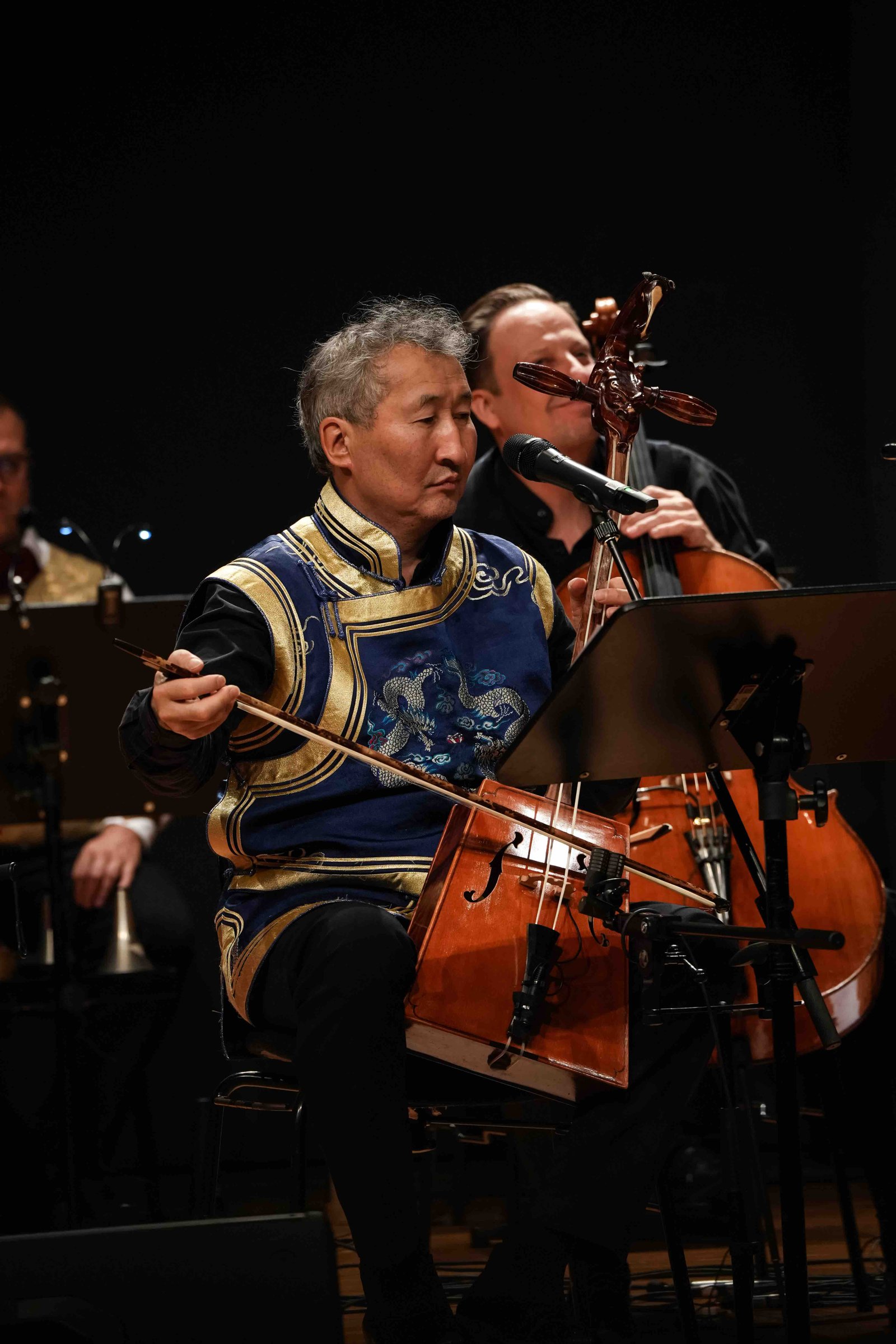
Morin Khuur
Als Mitglied des grandiosen Trios "Violons Barbares" spielte er vor 100.000 Menschen auf dem Wacken Open Air, Deutschland und vor 400.000 Menschen auf dem Sziget Festival, Ungarn.
Mit der Bayerischen Philharmonie spielte Epi unter anderem eigenen Kompositionen für Orchester im Gasteig München und der Berliner Philharmonie. Auch mit der Baden-Badener Philharmonie, der Basler Philharmonie, Schweiz, spielte er als Solist. Beim Festival "Violons sur le Sable" spielte er mit dem Orchester der Opéra de Paris. Einige Stücke seines 2019 veröffentlichten zweiten Solo-Albums ("Setgeliin Gunii Tsuurai"-"Echo aus den Tiefen der Seele") arrangierte er selbst für Orchester und führte diese 2025 mit der Pforzheimer Philharmonie beim Schwarzwald Musikfestival auf. Er spielte mit dem Nederlands Blazers Ensemble bei dessen tradionellem Neujahrskonzert im für seine Akustik weltberühmten Concertgebouw in Amsterdam. Sein Auftritt als Solist mit dem Russischen Nationalorchester beim VIVACELLO Festival führte ihn in den berühmten Moskauer Tschaikowsky-Konzertsaal.
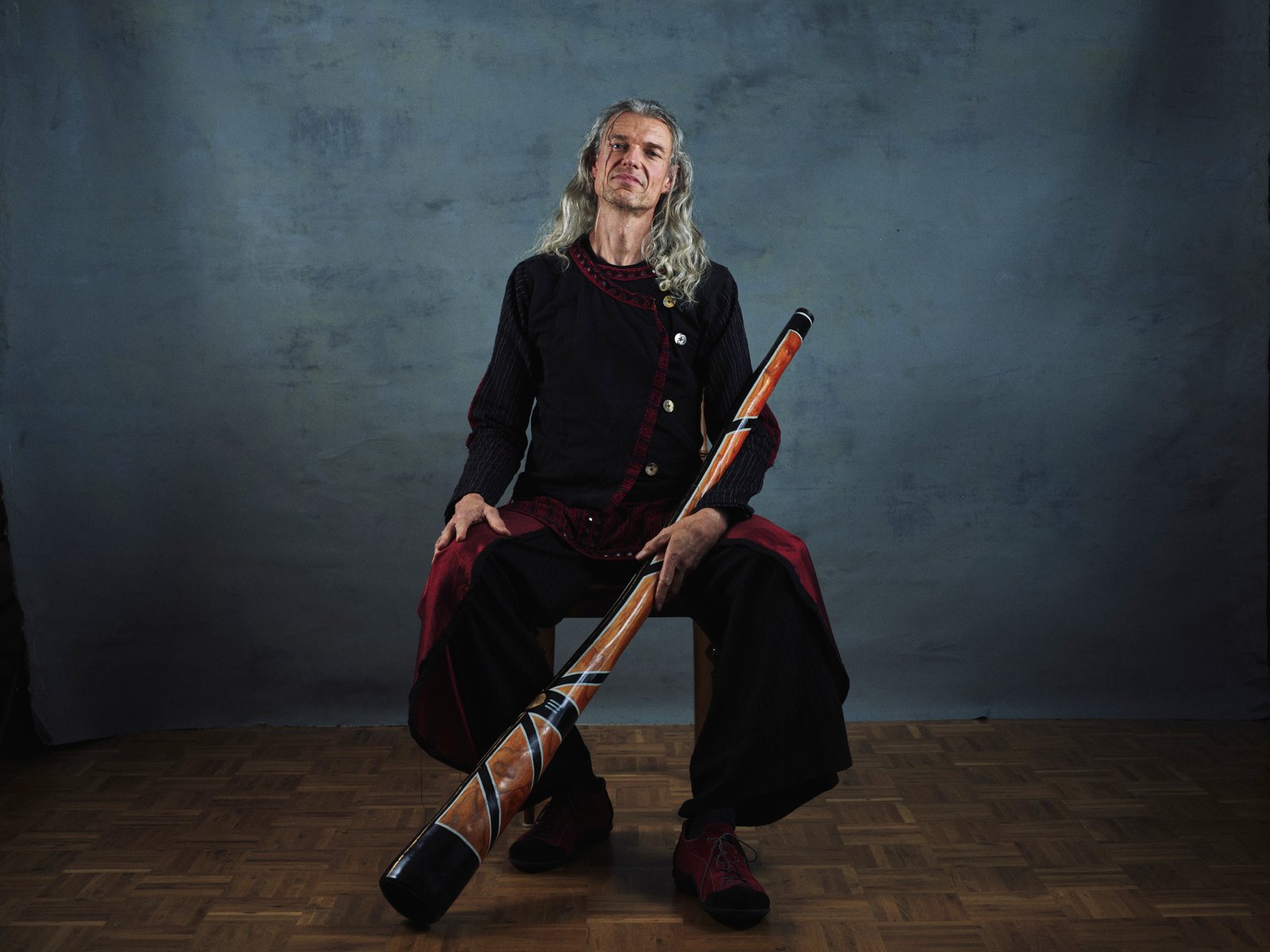
Didgeridoo & Obertongesang
Für nur kurze Augenblicke hörte Frank Heinkel 1996 aus dem Küchenradio die warmen, erdigen Didgeridoo-Töne in einer Australiendokumentation erklingen. Er wusste sofort: „Ich will Didgeridoo spielen".
Durch seine Vorerfahrung in verschiedenen Chören und befruchtet durch die vielseitigen Klangfarben des Didgeridoo singt Frank auch die mystisch klingenden mongolischen Obertonstile. Gesangstechniken bei denen die Stimme scheinbar mehrere Töne gleichzeitig produziert.
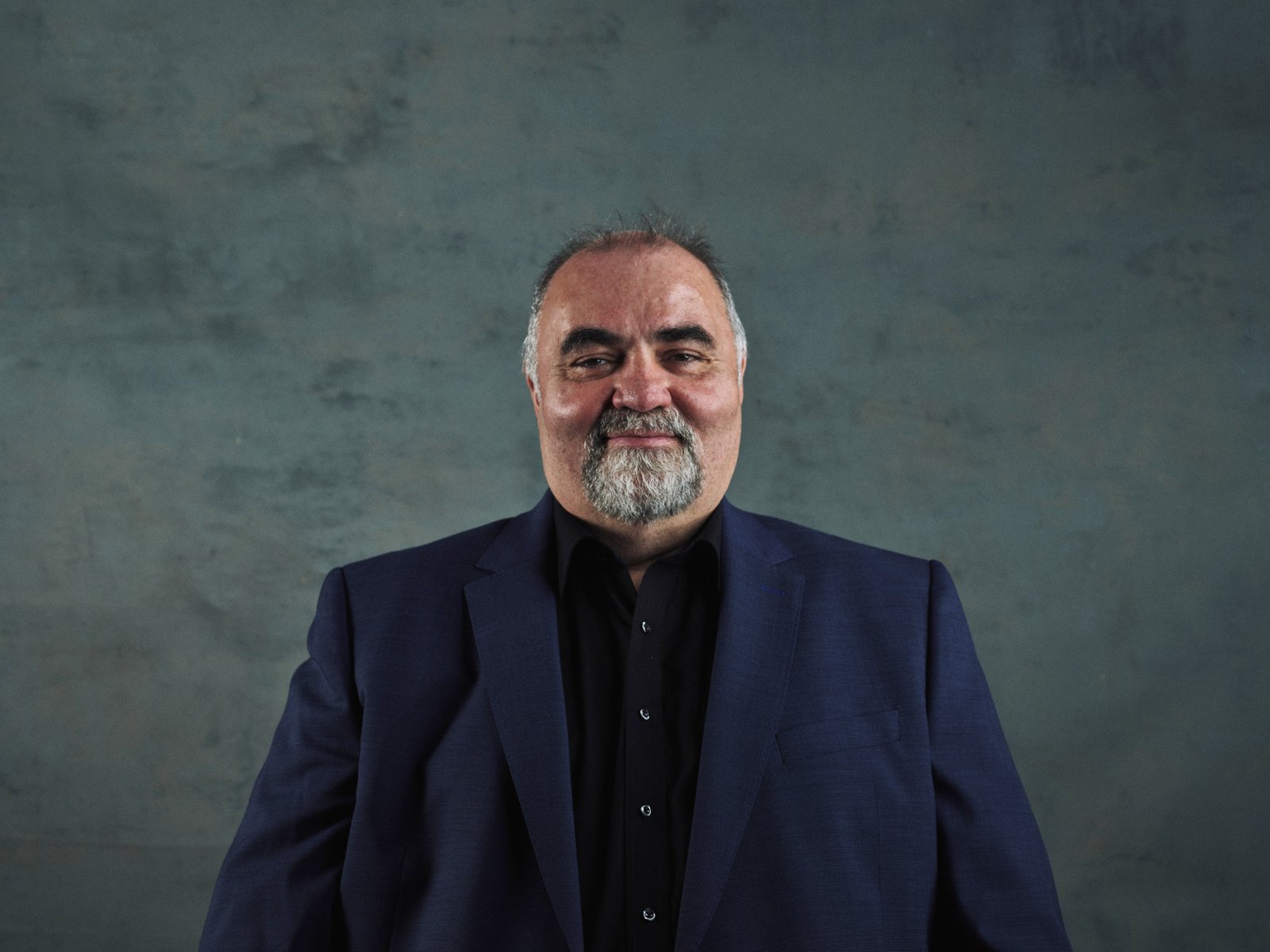
Trompete
Franz Tröster stammt aus Siebenbürgen und studierte dort in Klausenburg Trompete im künstlerischen Hauptfach. Nach der Übersiedlung nach Westdeutschland spielte er jahrelang am Pfalztheater Kaiserslautern und wurde 1990 1. Flügelhornist bei Ernst Mosch und den Egerländer Musikanten.
Seine unvergleichliche stilistische Vielfalt öffnete ihm die Türen für zahlreiche Engagements als Solist bei philharmonischen Orchestern, Blasorchestern und Big-Bands.
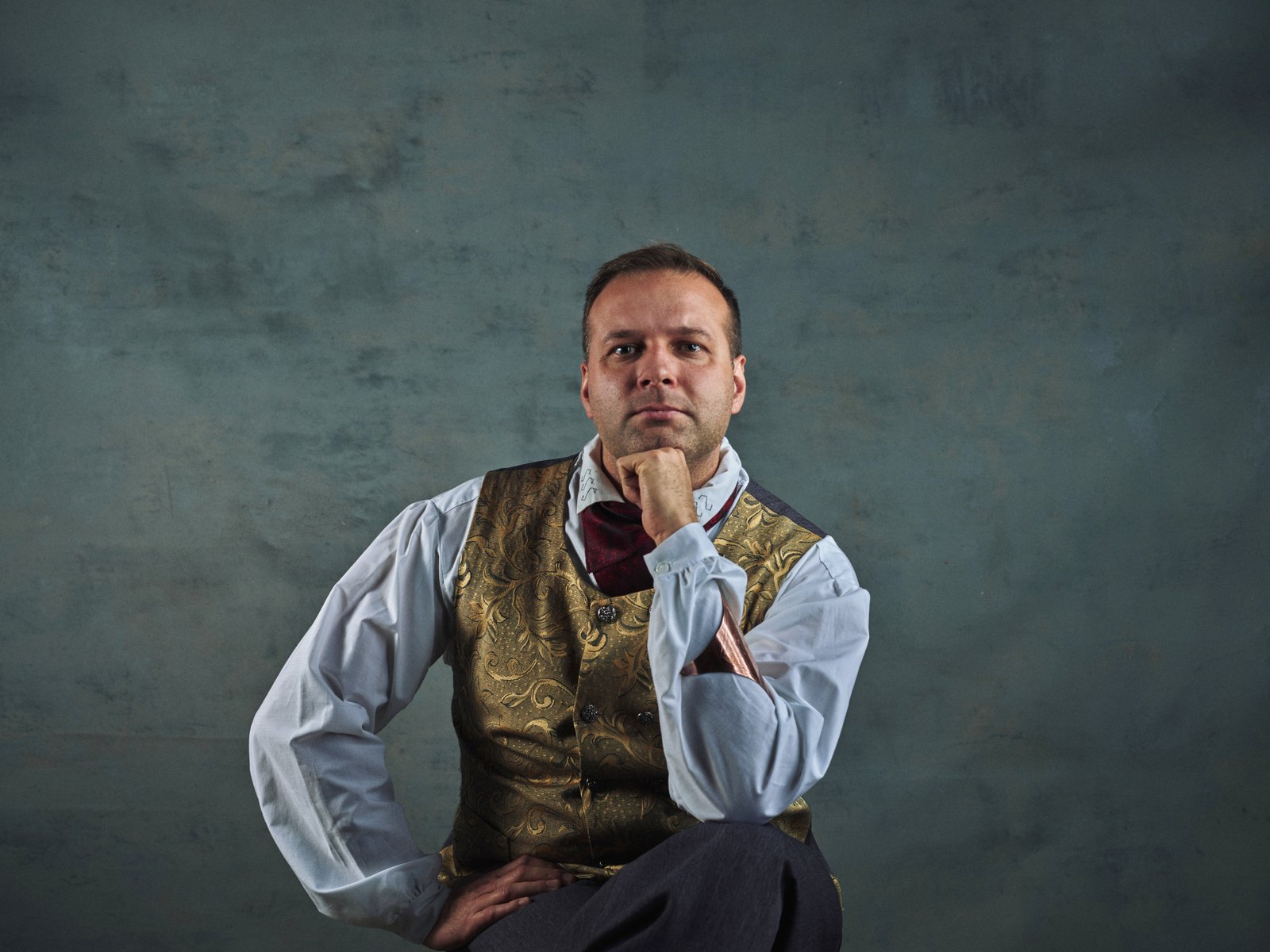
Trompete
Nach einigen Jahren als Solotrompeter im Sinfonieorchester von Liepaja und in der lettischen Nationalsymphonie entschied er sich, sein Klassik-Diplom in Köln und in Stuttgart zu vollenden. Er spielt ca. 250 Konzerte im Jahr in Deutschland, Europa, Russland & Asien. Er ist viel gesucht als Pädagoge für Meisterkurse und ist gefragtes Mitglied verschiedenster Jury und Wettbewerben.
Valdis Bizuns spielt mit größter Freude im Orchester der Kulturen seit 2013. Besonders fasziniert Ihn dabei der Klang des Orchesters und die charismatische Art des Leiters Adrian Werum sowie die musikalische Fusion der verschiedenen Kulturen der Welt.